Issac Goeckeritz | Filmmaker

  • Blog
  • Films
  • About

Ogden: Junction City of the West

October 08, 2018 by Issac Goeckeritz

This coming year will mark the 150th anniversary of the completion of the United States’ first transcontinental railroad at Promontory, Utah. At the time, Promontory was a remote location, far from a large city. Because the junction site would need to serve as a major railroad hub where passengers would disembark one company’s railcars and board another’s, the transfer point between the Union Pacific and Central Pacific railroads was moved to Ogden, Utah. Over the next few decades no traveling passenger would cross the country by rail without stopping there.

This evolution in transportation ushered in a period of remarkable growth, and the cultural diversity and commerce that endlessly streamed through Ogden’s Union Station and legendary 25th street forever changed its place in history.
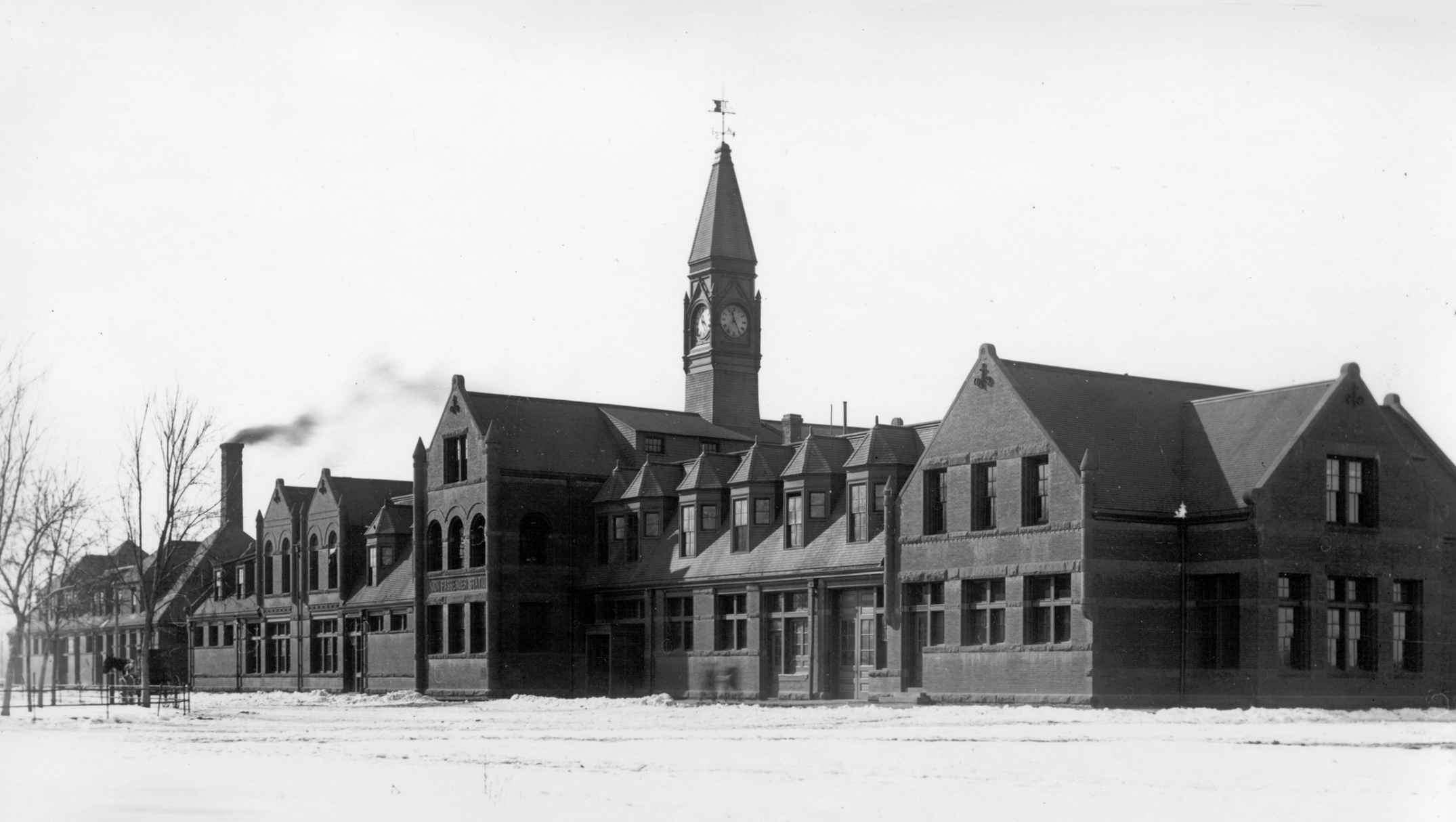
Ogden had a total of three train stations over the years. This one was it’s second and quite beautiful. The architect also built the Union Station in Portland, Oregon. If you look at both, you’ll see some similarities. Tragically, the Ogden station …

Ogden had a total of three train stations over the years. This one was it’s second and quite beautiful. The architect also built the Union Station in Portland, Oregon. If you look at both, you’ll see some similarities. Tragically, the Ogden station burned down in a fire in the early 1920s. (Images courtesy Union Station Archives)

In 2005 I became interested in Ogden’s railroad history after visiting with volunteers at the Union Station Museum. Retired railroad workers served as patrons at the Museum and shared great stories. One individual in particular, Grant Gibson, managed a dining car and told me about a time he accompanied Eleanor Roosevelt up Ogden’s notorious 25th Street.

For the next two years I produced a documentary on Ogden's railroad story and it premiered on April 25th 2007 at Peery’s Egyptian Theater.

With the Promontory celebration approaching, I thought now would be a good time to make the film available online. Hope you enjoy it!

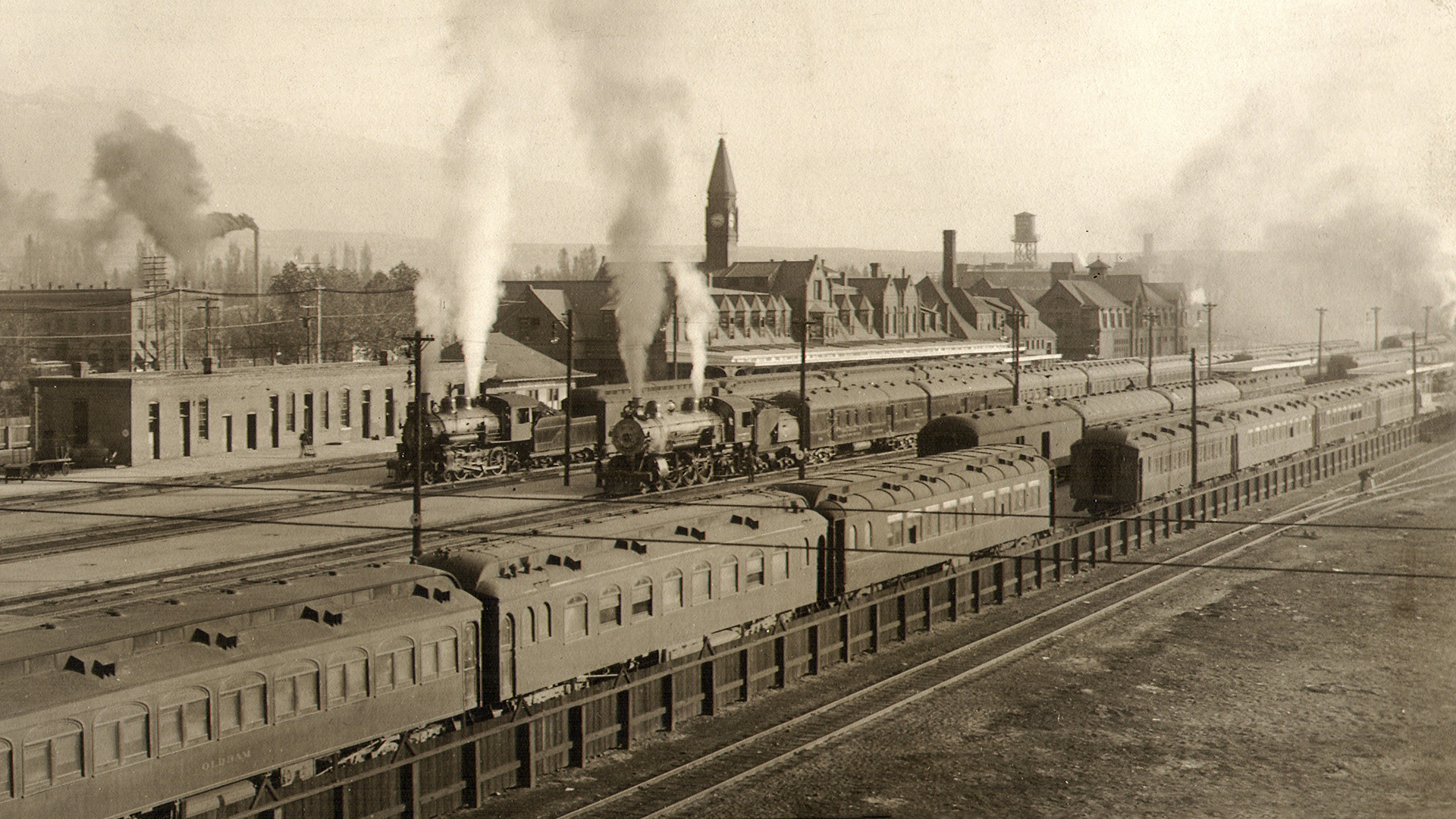
At its peak, 100 trains a day would pass through the Ogden yards. Managing this constant stream of coming and going required a large workforce.
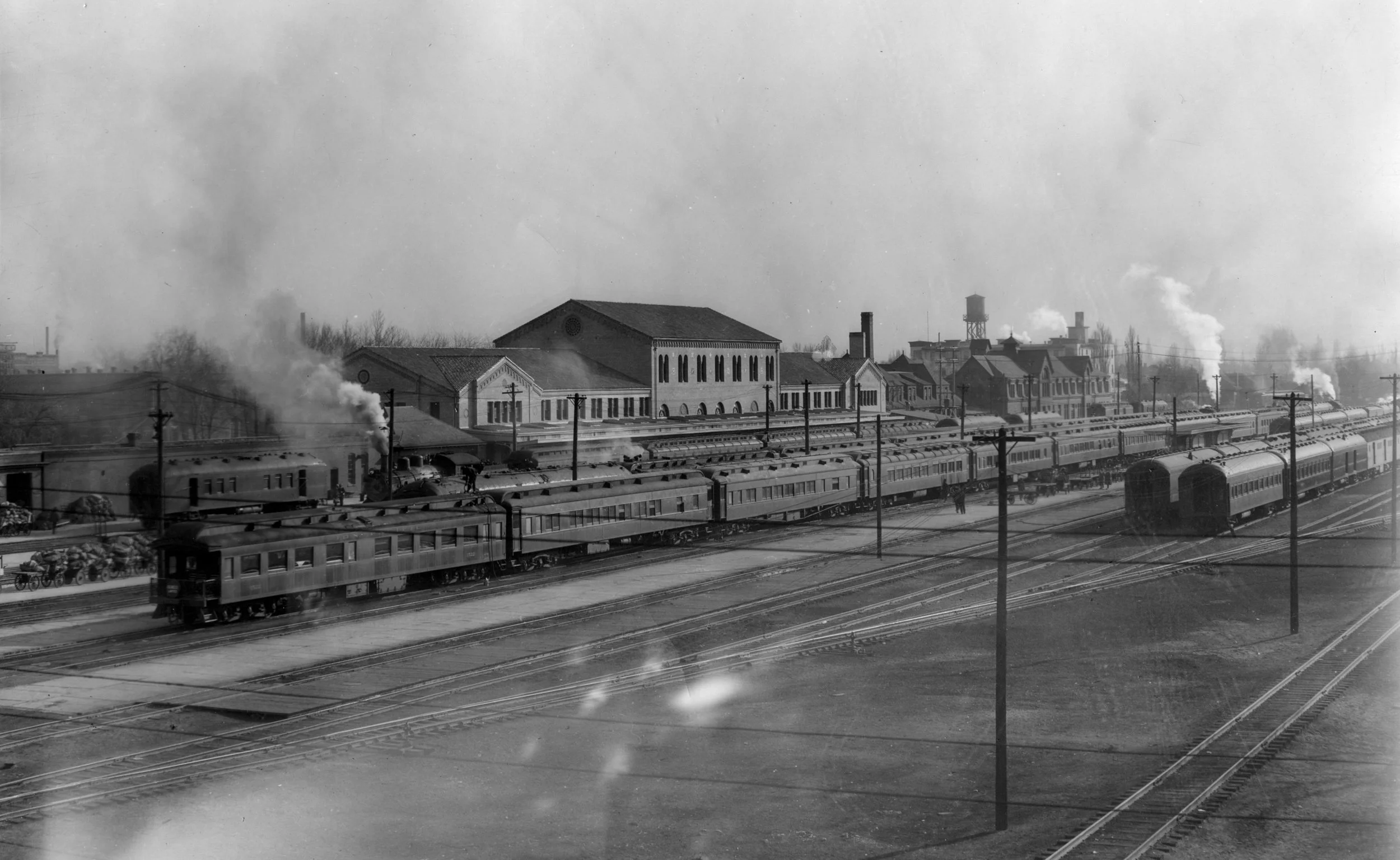
At its peak, 100 trains a day would pass through the Ogden yards. Managing this constant stream of coming and going required a large workforce.

p_UnionStation_rear_1930's.jpg
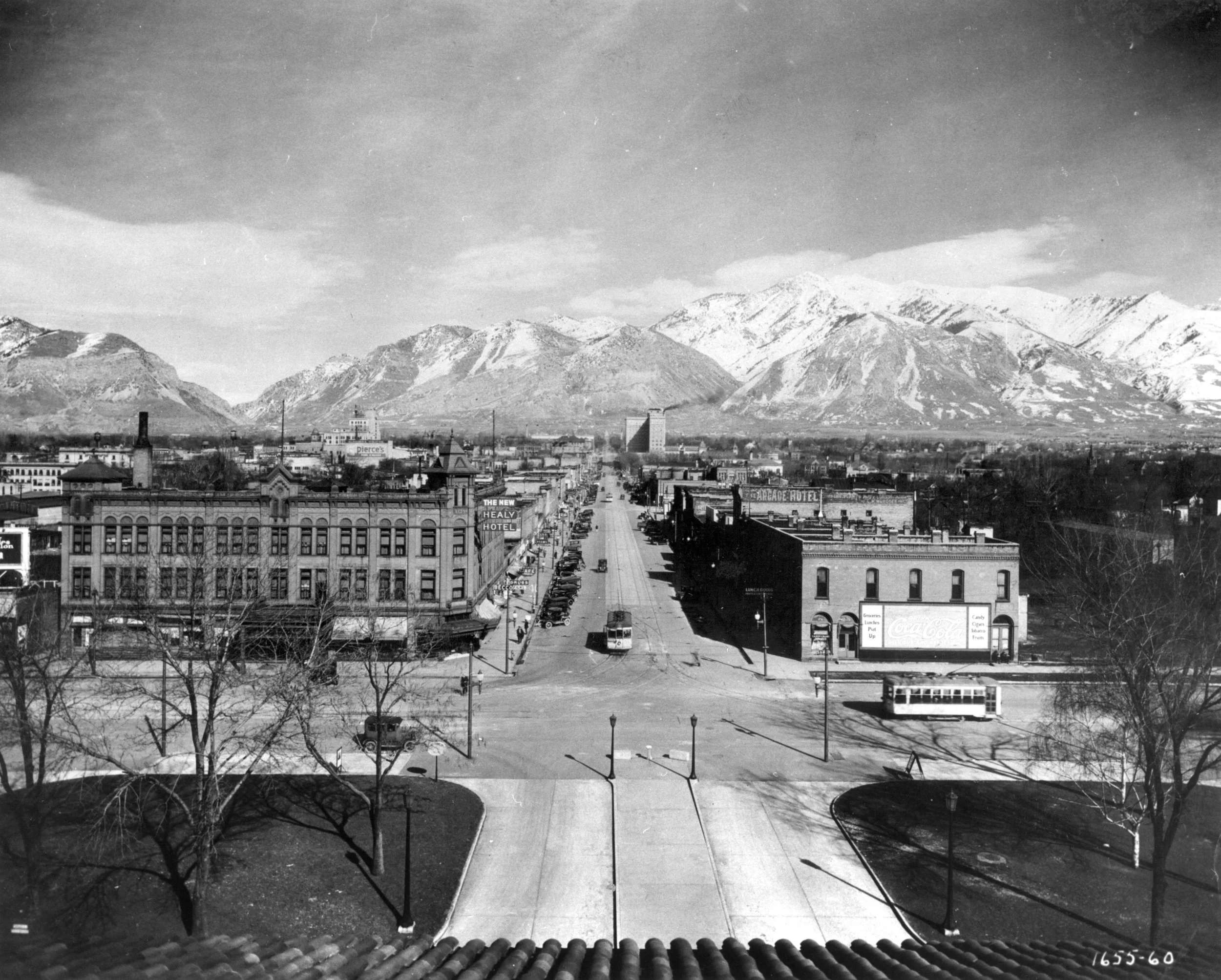
25th Street’s proximity to the train station made made it a busy destination for waiting travelers.
25th Street’s proximity to the train station made made it a busy destination for waiting travelers.

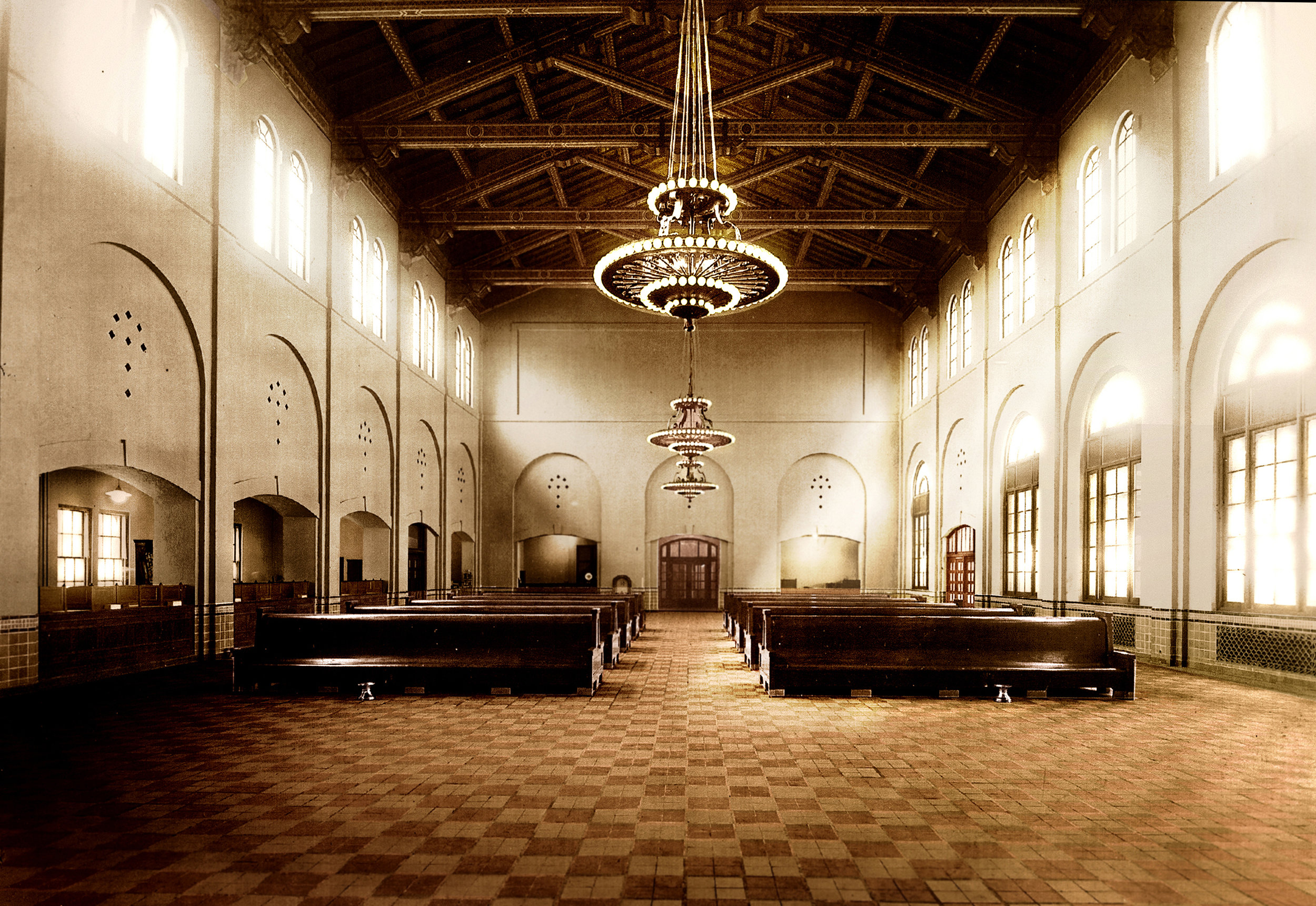
Of all the photos I found while doing research for the documentary, this was my favorite. My friend Josh Roberts colored the original black and white image of the Union Station lobby.
Of all the photos I found while doing research for the documentary, this was my favorite. My friend Josh Roberts colored the original black and white image of the Union Station lobby.

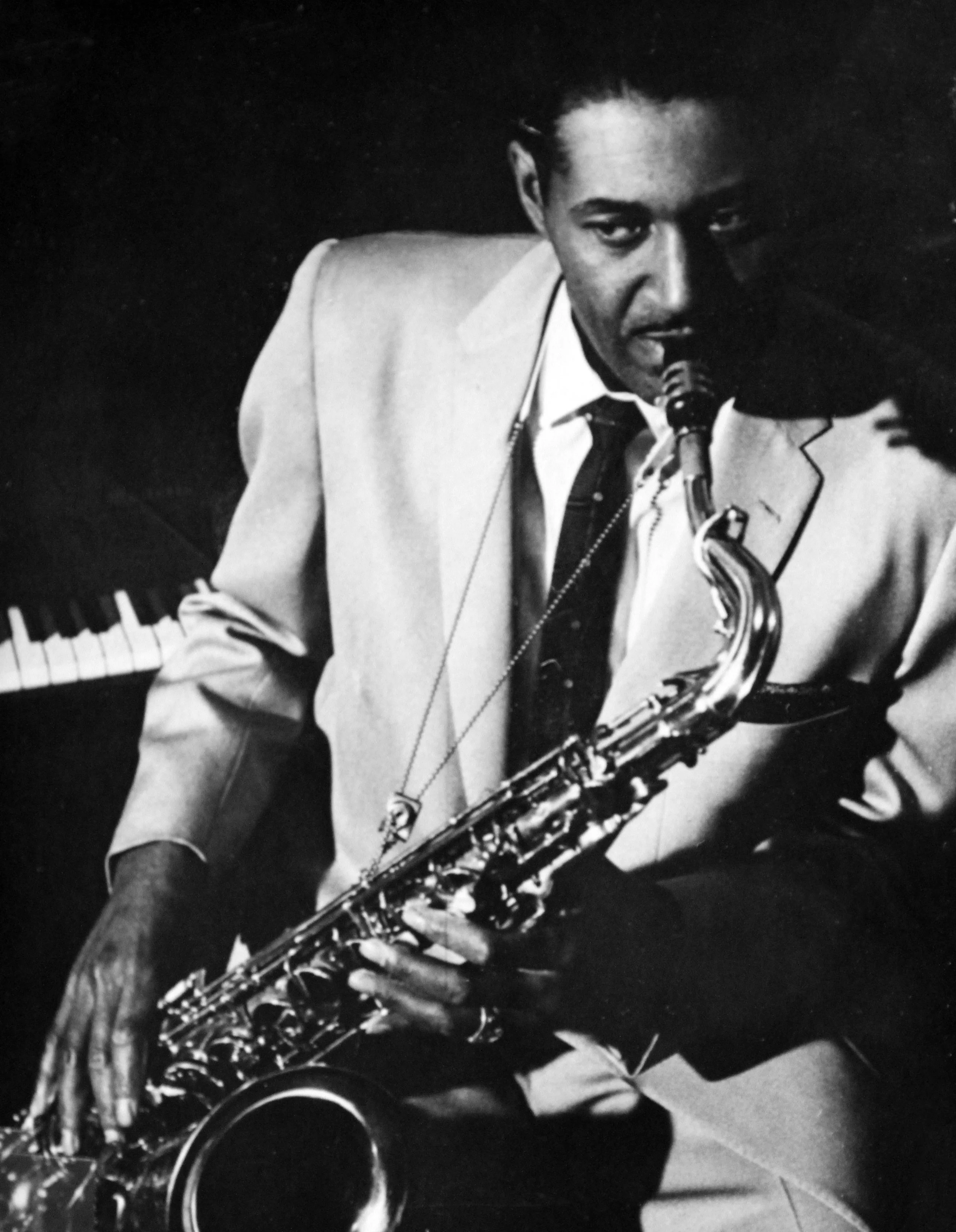
One of the highlights of production was interviewing Joe McQueen, a jazz musician who played for years at 25th Street’s Porters and Waiters Club. (Images courtesy Union Station Archives)
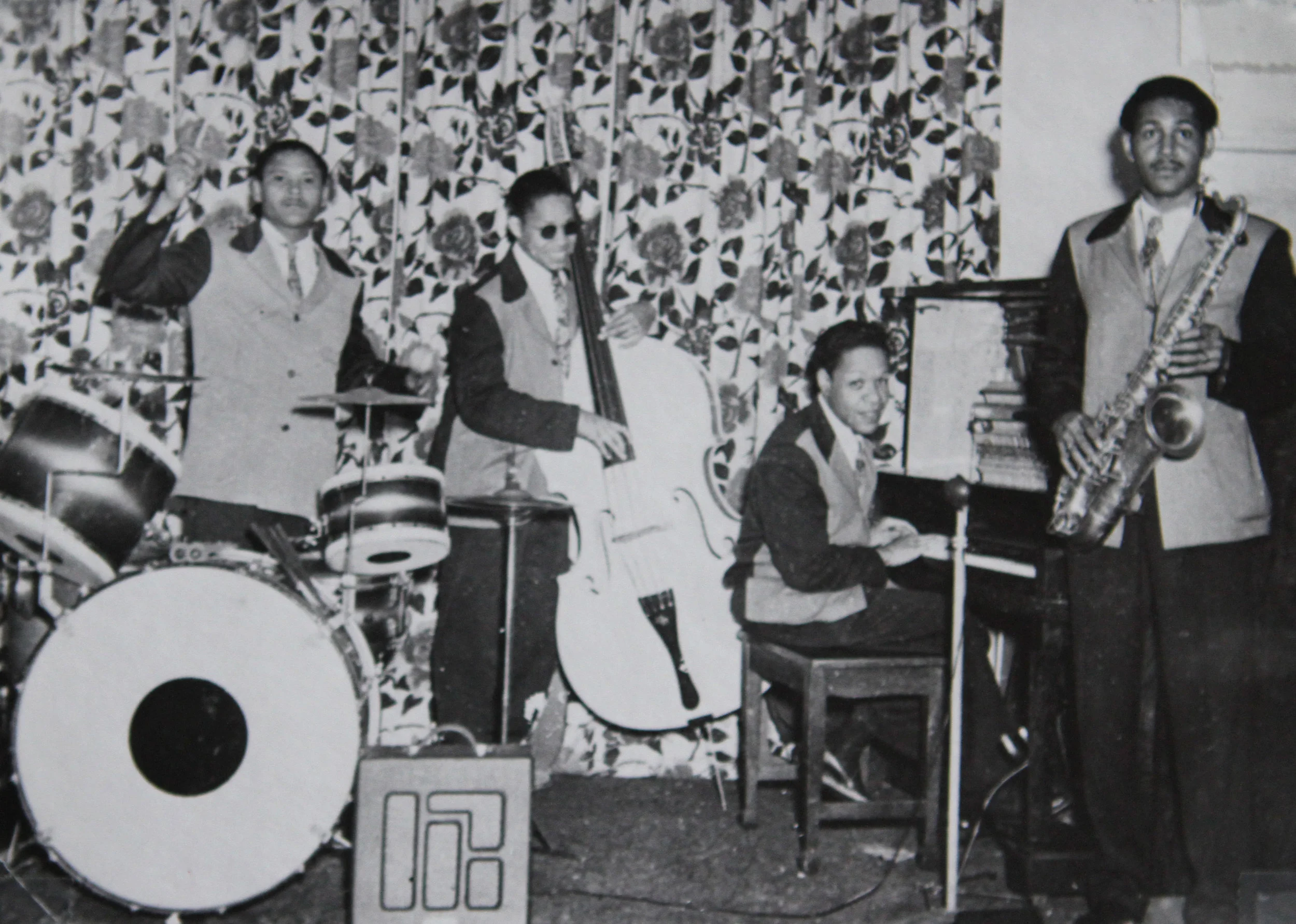
One of the highlights of production was interviewing Joe McQueen, a jazz musician who played for years at 25th Street’s Porters and Waiters Club. (Images courtesy Union Station Archives)
Joe_McQueen2.jpg
October 08, 2018 /Issac Goeckeritz

The Cathedral of the Madeleine

October 05, 2018 by Issac Goeckeritz

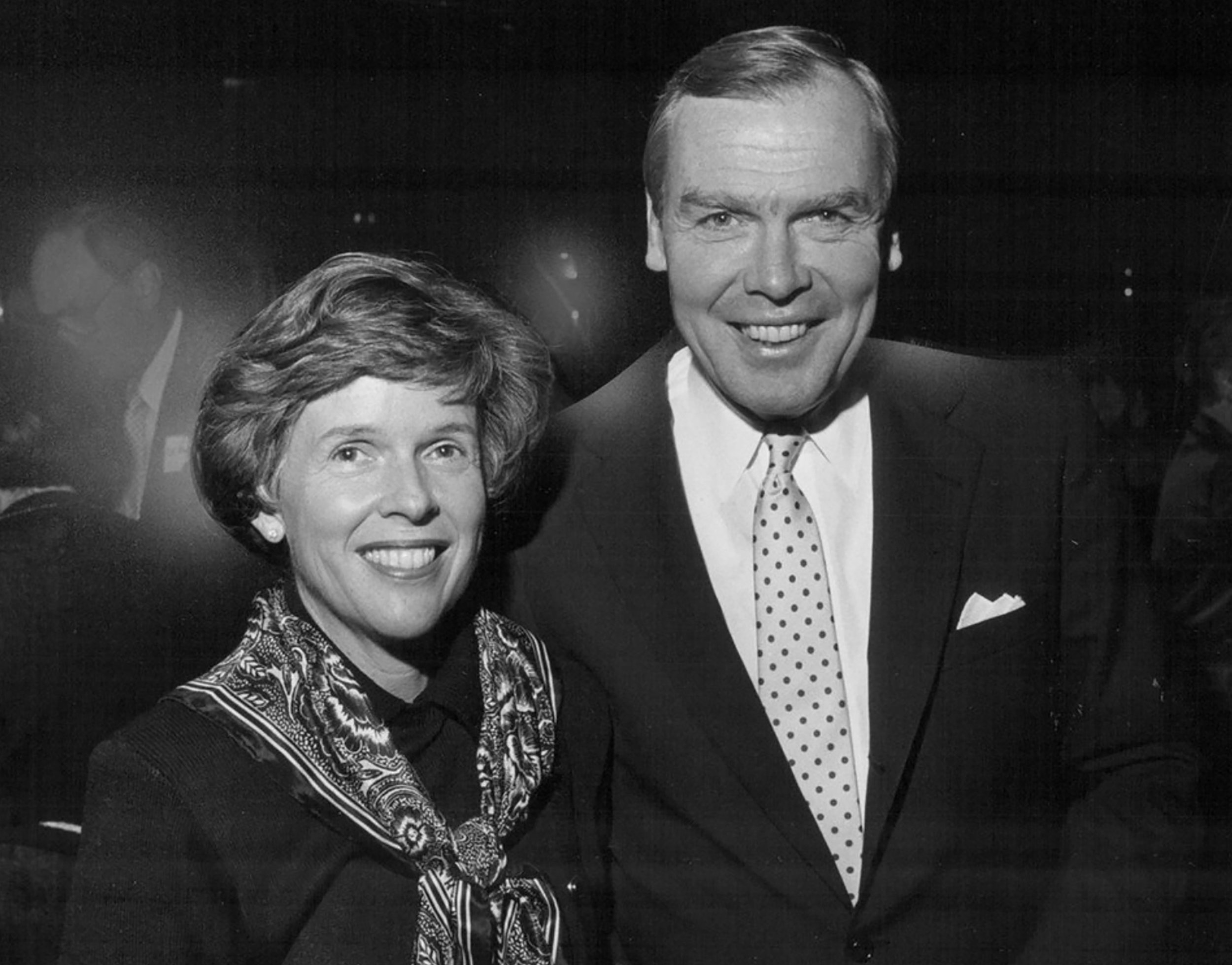
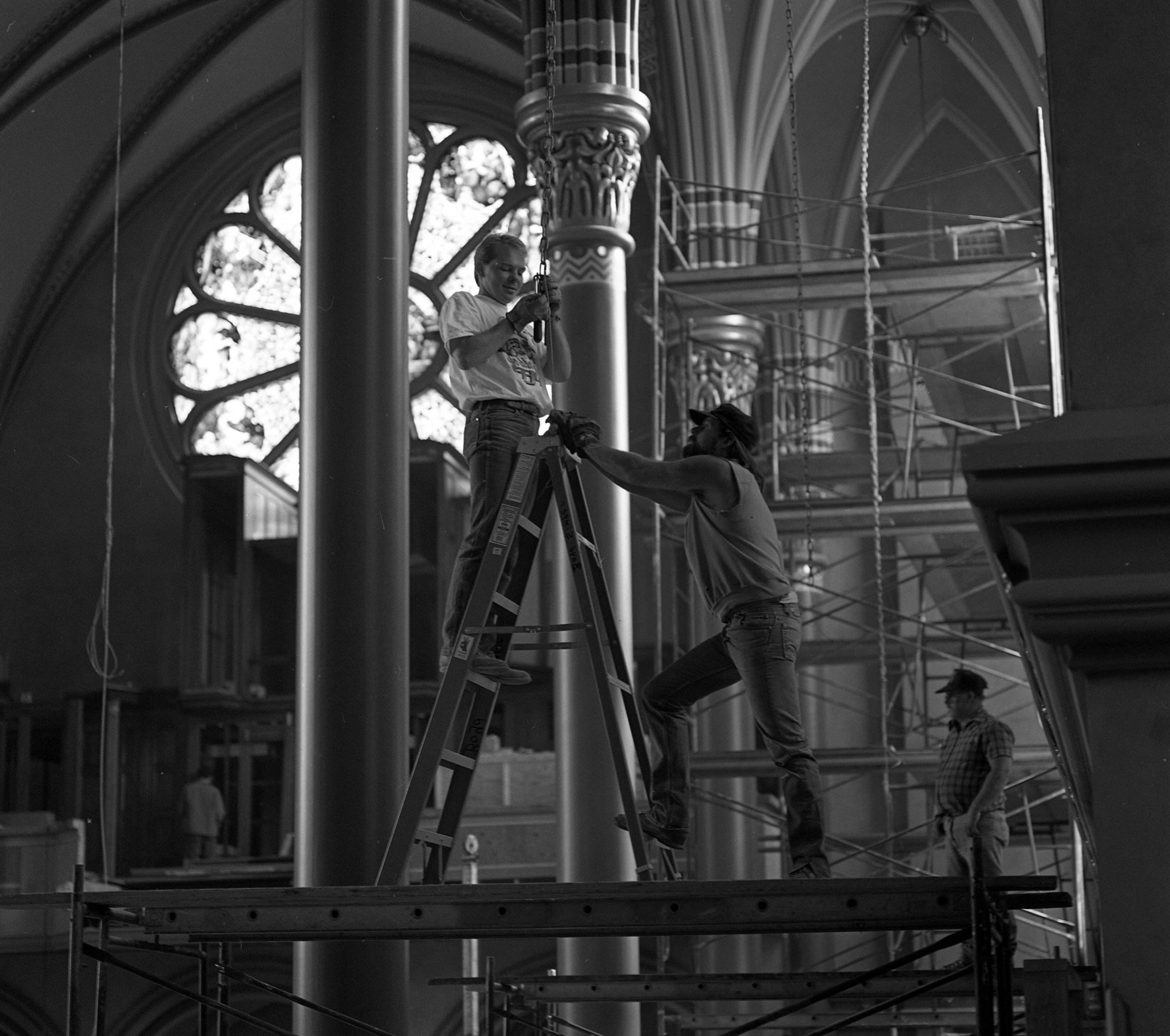
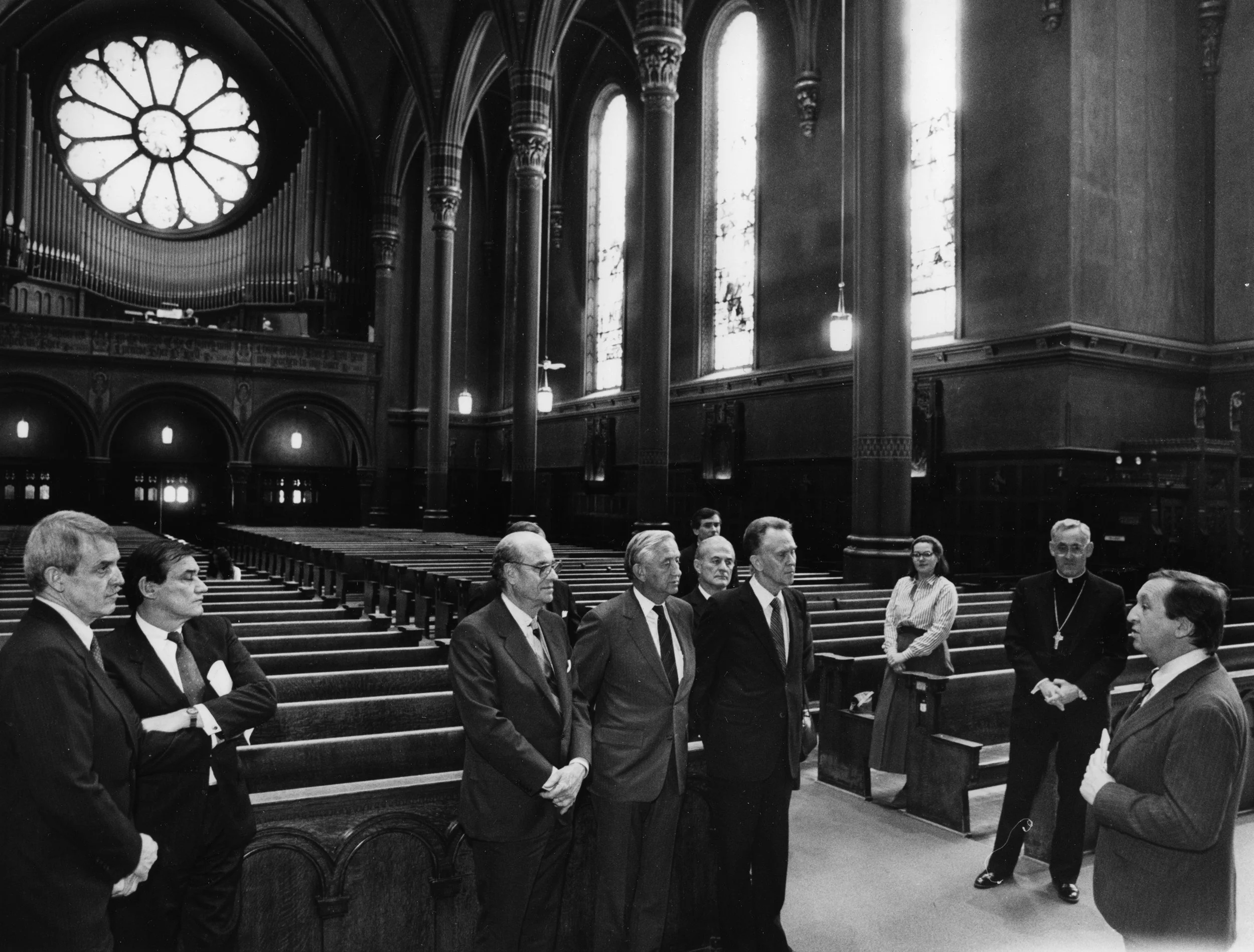
In September I produced a short documentary for the Cathedral of the Madeleine’s Bishop’s Dinner. This was the fifteenth consecutive year the Cathedral has asked me to produce a film for their annual fundraiser. I have enjoyed this special opportunity each year. In this year’s film we chose to honor two individuals, Jon Huntsman Sr. and Ian Cumming, who played roles in raising funds for the Cathedral’s major restoration that took place in the early 1990s.

Prior to Cathedral restoration, Salt Lake business owners were approached and asked to help raise over $10 million in funds. (Image courtesy Diocese of Salt Lake City Archives)

Prior to Cathedral restoration, Salt Lake business owners were approached and asked to help raise over $10 million in funds. (Image courtesy Diocese of Salt Lake City Archives)

Jon Huntsman Sr. contributed to the restoration campaign and was key player in getting others to participate. (Image courtesy Deseret News)
Jon Huntsman Sr. contributed to the restoration campaign and was key player in getting others to participate. (Image courtesy Deseret News)
restoration rose window w scafolding.jpg
Cathedral Restoration057.jpg
restoration.jpg
October 05, 2018 /Issac Goeckeritz

Face to Face Asia

August 16, 2018 by Issac Goeckeritz

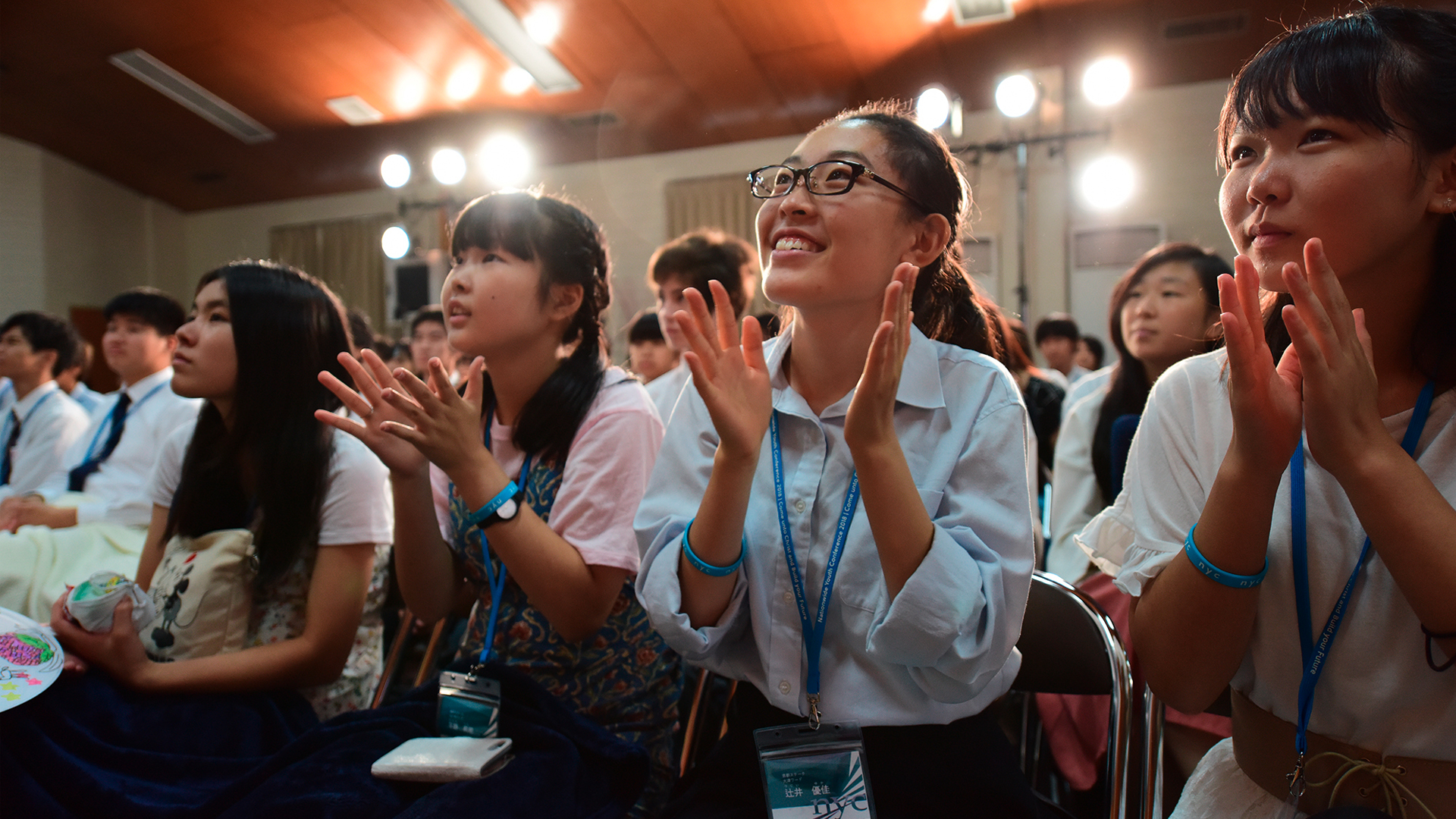
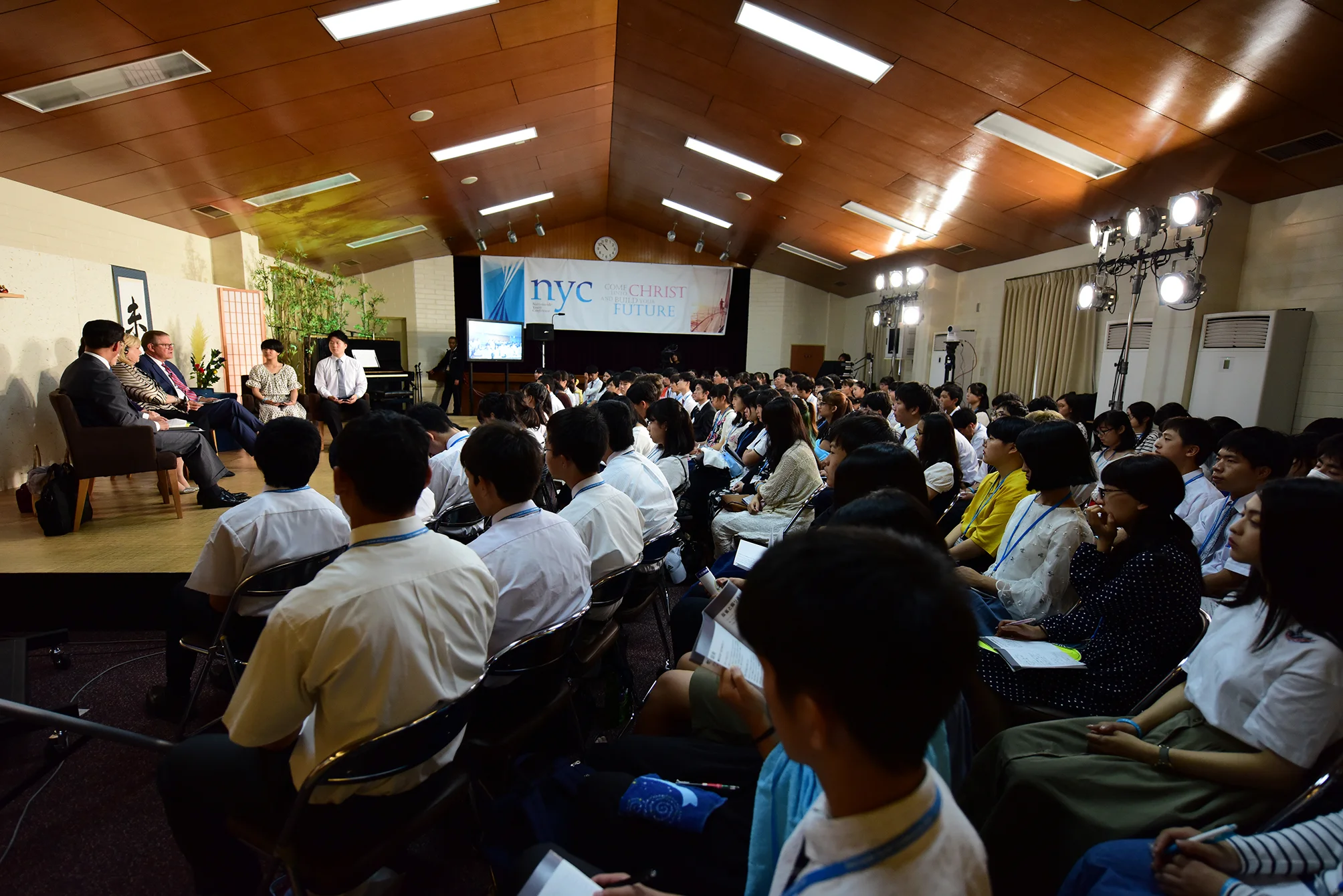
The last two weeks I was able to travel to Manilla, Philippines and Osaka, Japan to create stories about the visit of Elder Gary E. Stevenson and Sister Lesa Stevenson of the Church of Jesus Christ of Latter-day Saints. The stories are posted online by the Church’s Public Affairs department. 

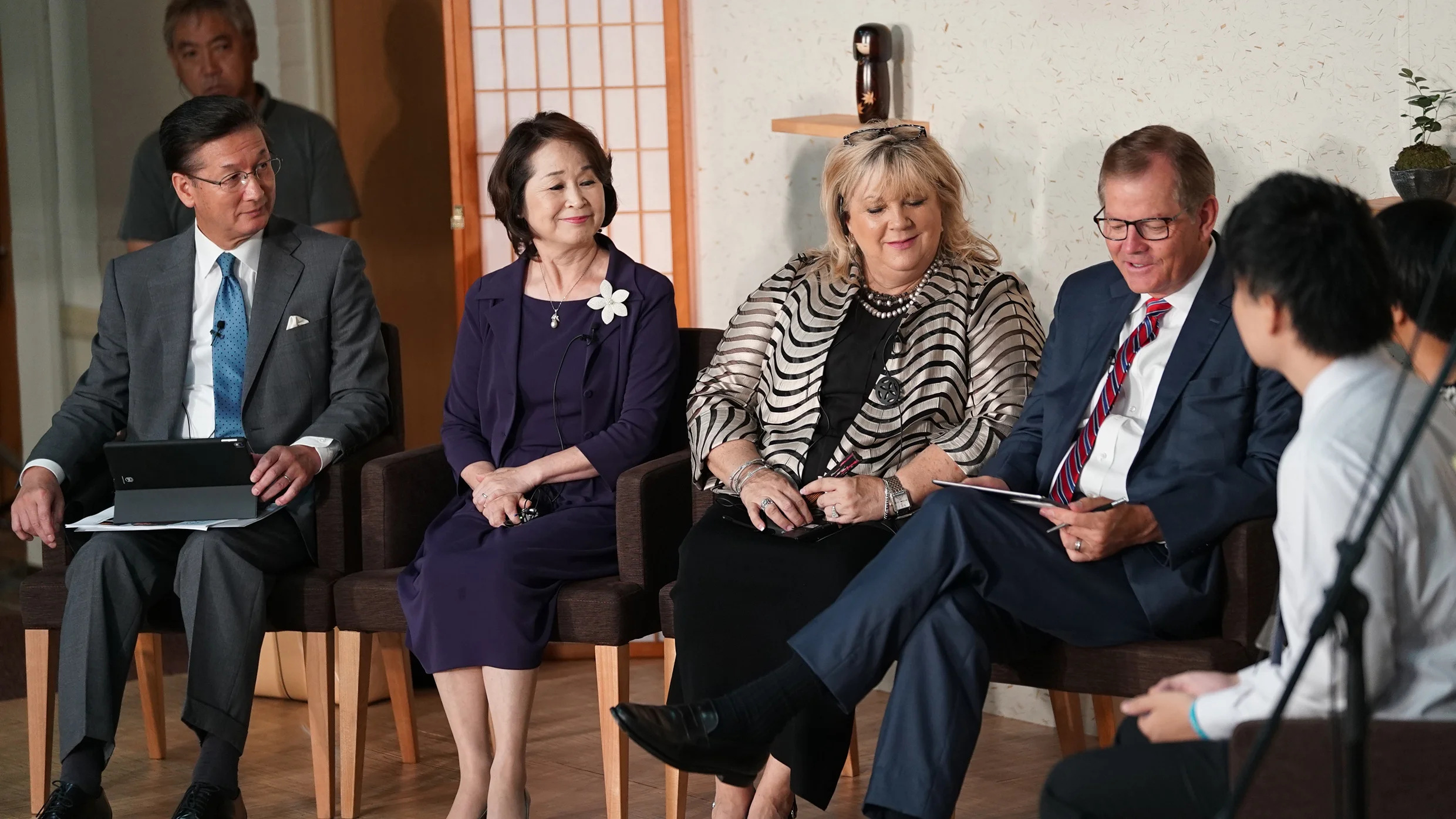
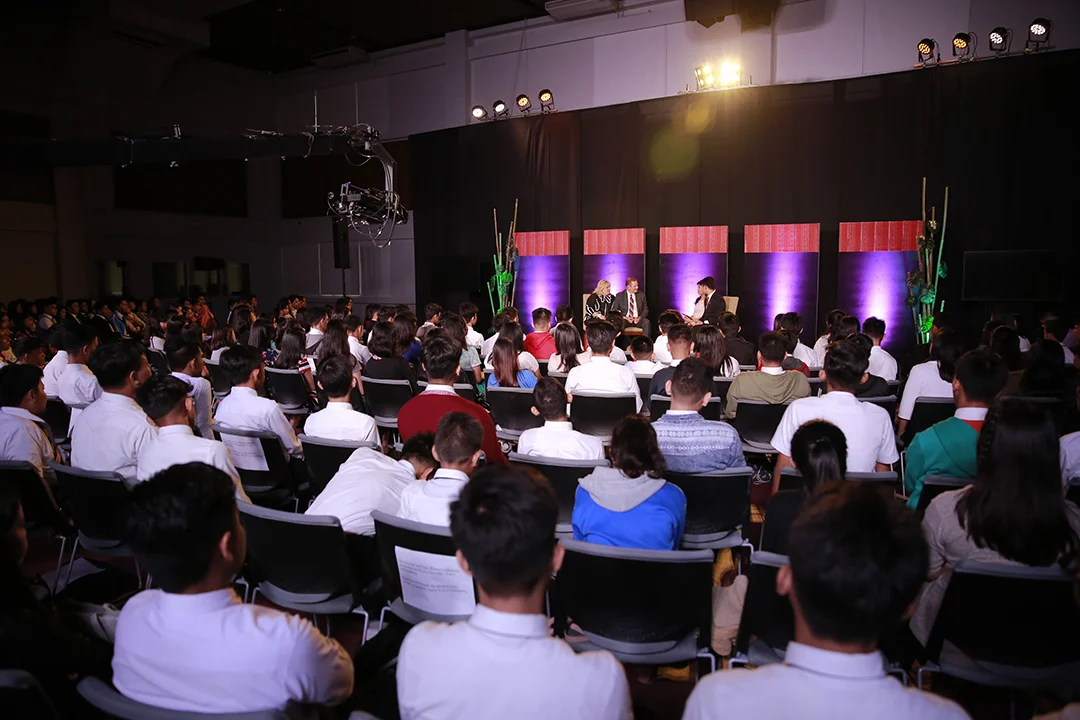
The Stevensons participated in two question and answer sessions that were broadcasted live to youth ages 12-18 in Asia. Youth were able to submit questions online, that were asked to the Stevenson during the broadcast. The Japan broadcast was unique in that is was conducted in Japanese, which Elder Stevenson speaks. 

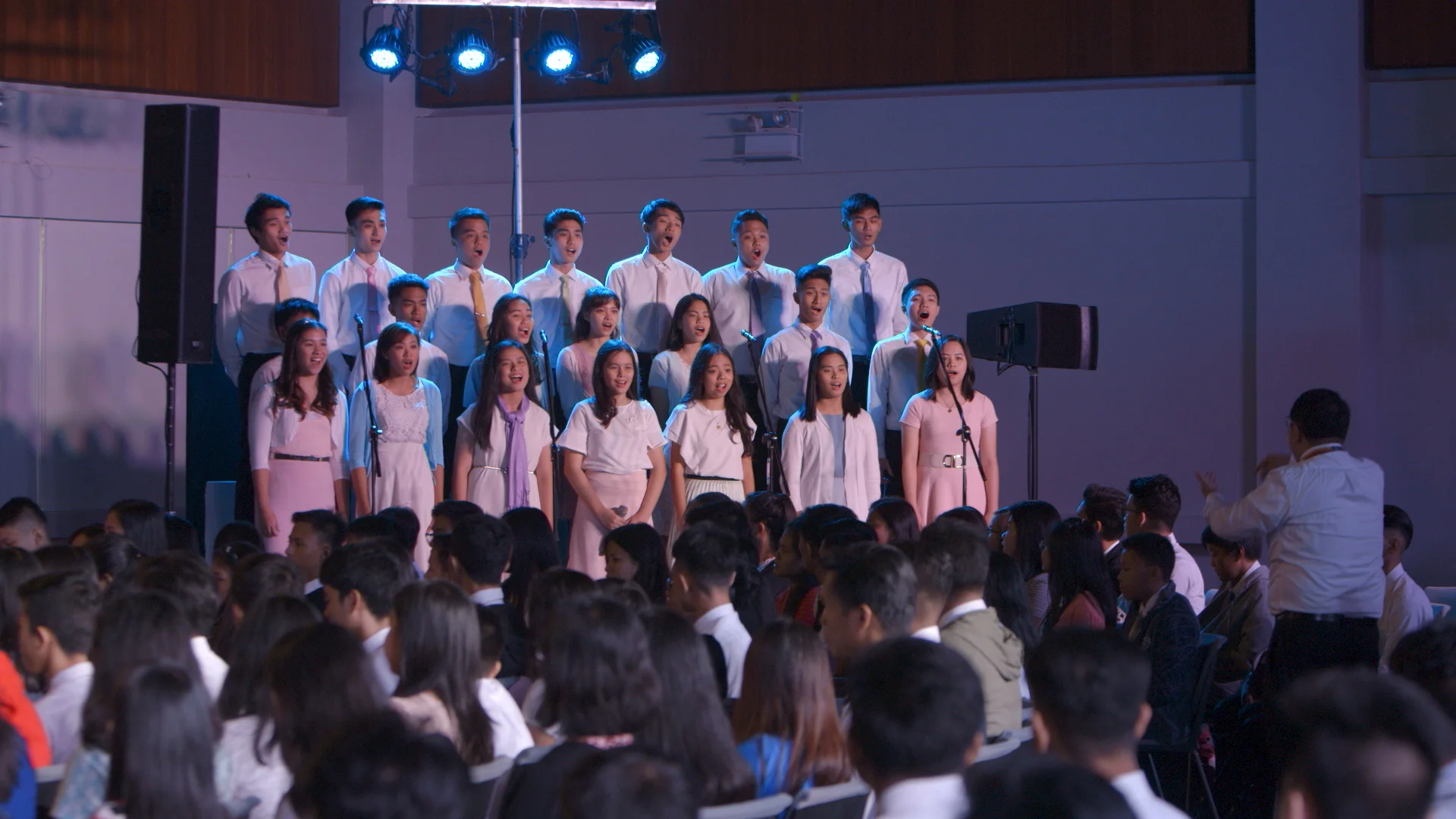
Here are the two stories I helped produce from Manilla and Osaka, plus a few photos from the events.

The Osaka, Japan Face to Face event.

The Osaka, Japan Face to Face event.

sDSC03959.jpg
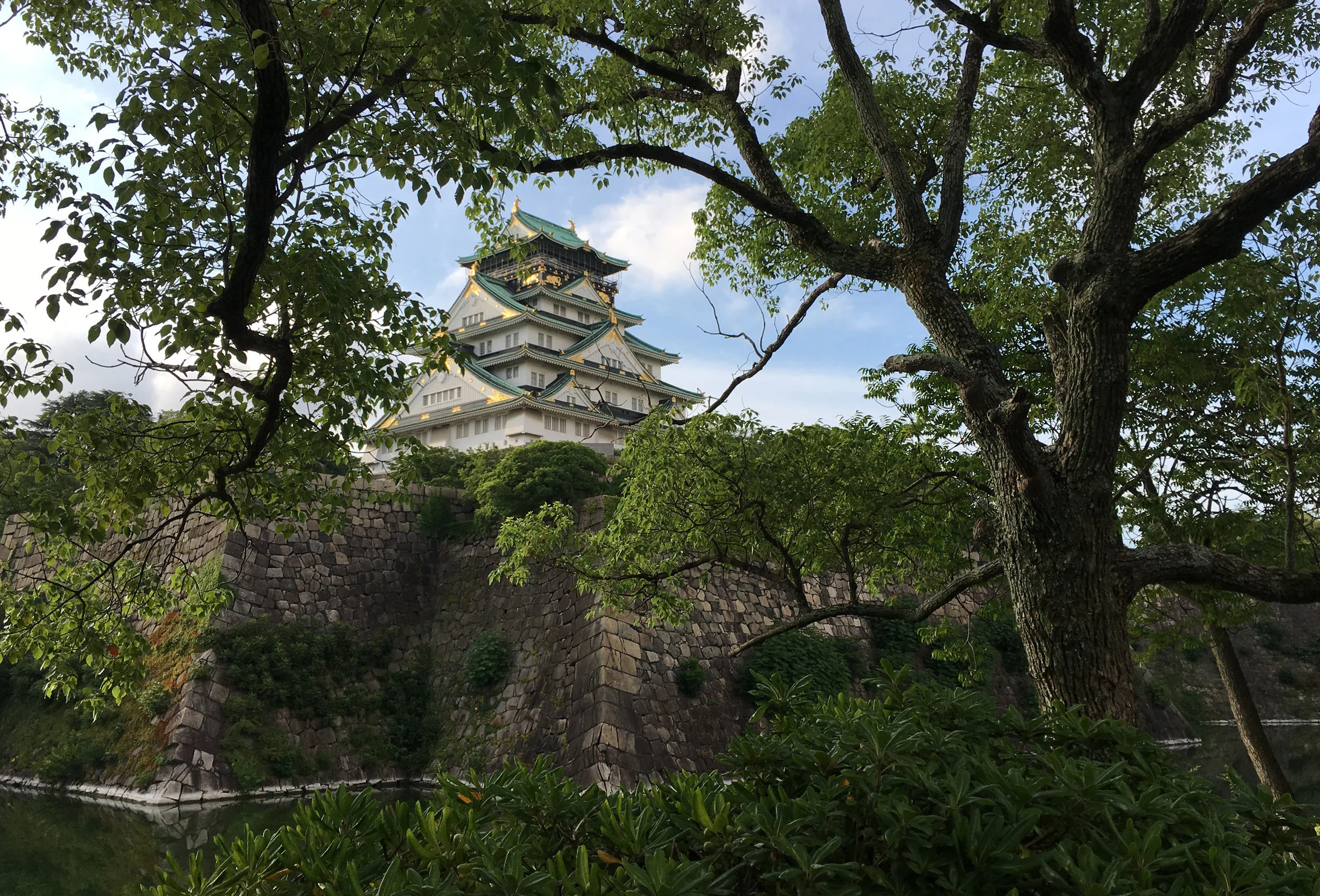
An old Japanese castle located in Osaka, near the chapel where the Face to Face broadcast was held.

An old Japanese castle located in Osaka, near the chapel where the Face to Face broadcast was held.

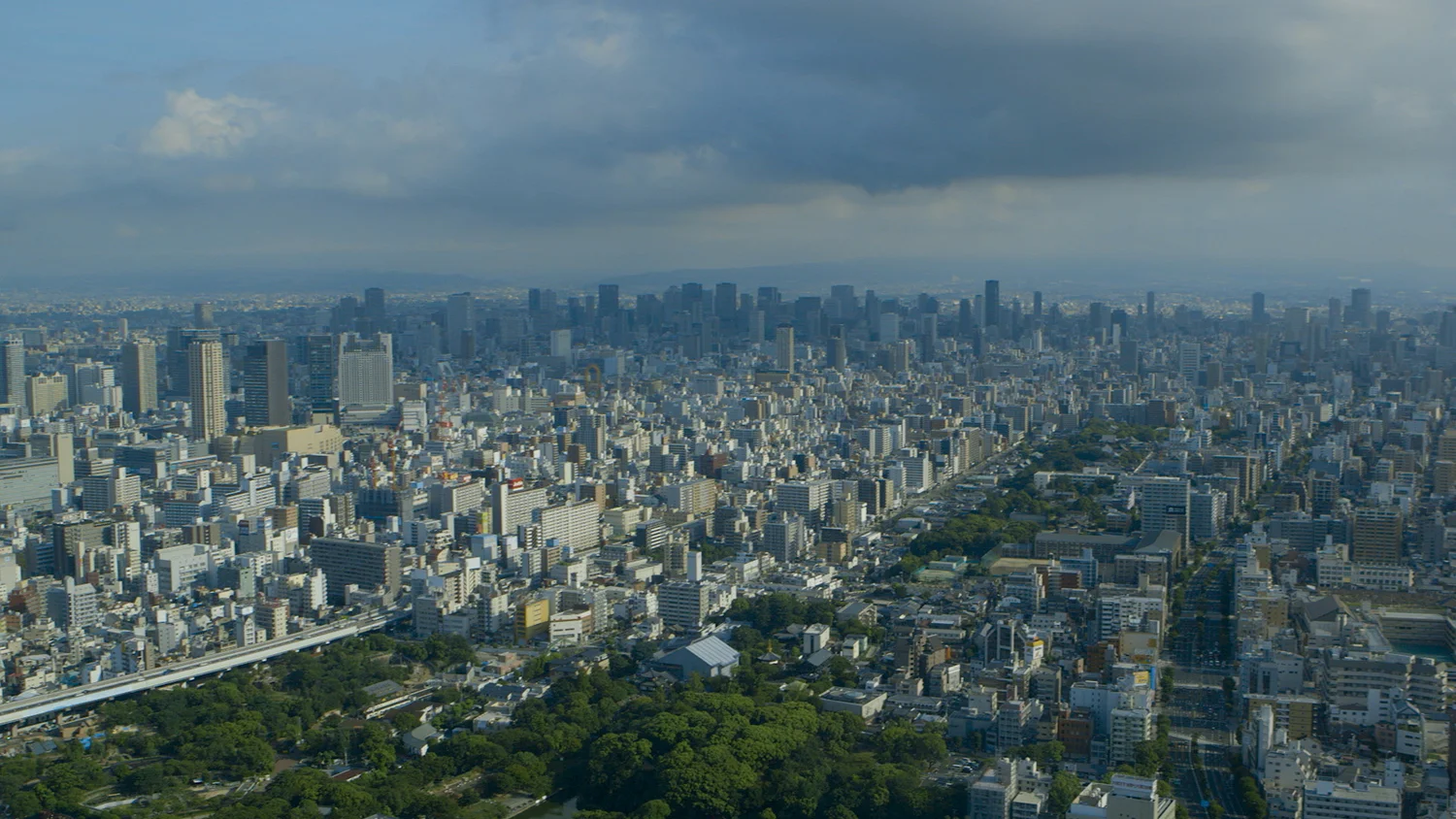
Osaka, Japan.

Osaka, Japan.

The Manilla, Philippines Face to Face.

The Manilla, Philippines Face to Face.

Media B-ROLL (Philippines).00_02_08_07.Still003.jpg
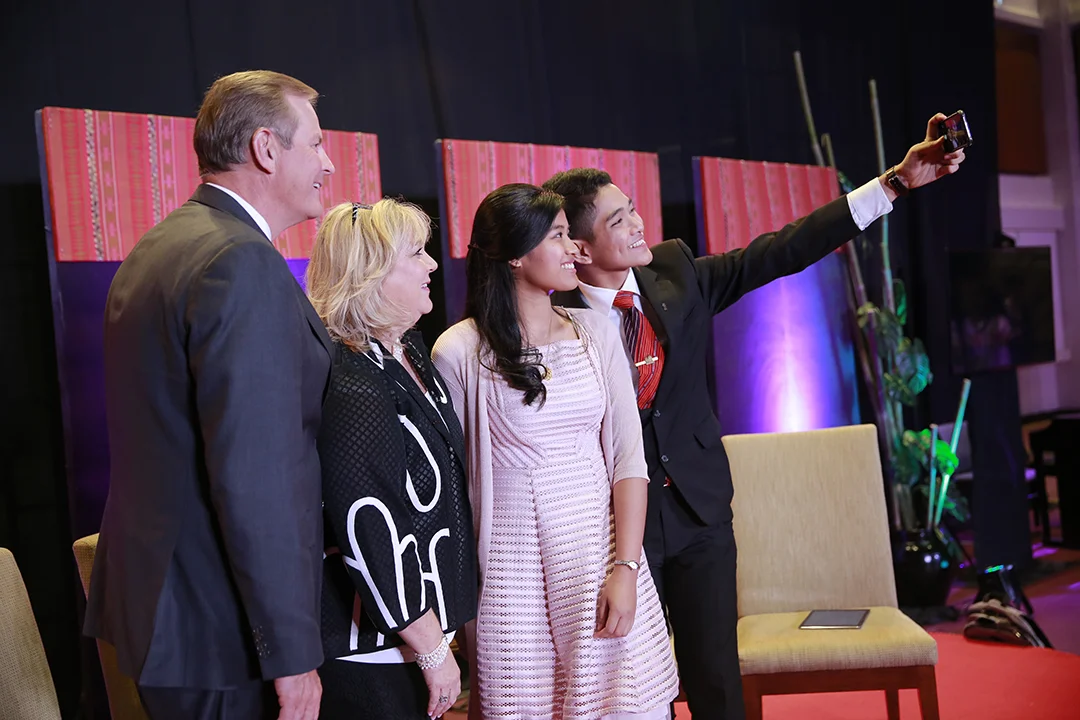
The two teenage hosts take photos with the Stevenson after the Philippines Face to Face. Images and videos courtesy Intellectual Reserve Inc.

The two teenage hosts take photos with the Stevenson after the Philippines Face to Face. Images and videos courtesy Intellectual Reserve Inc.

August 16, 2018 /Issac Goeckeritz
Historic Preservation.jpg

The Governor's Mansion: Maw Years

August 09, 2018 by Issac Goeckeritz

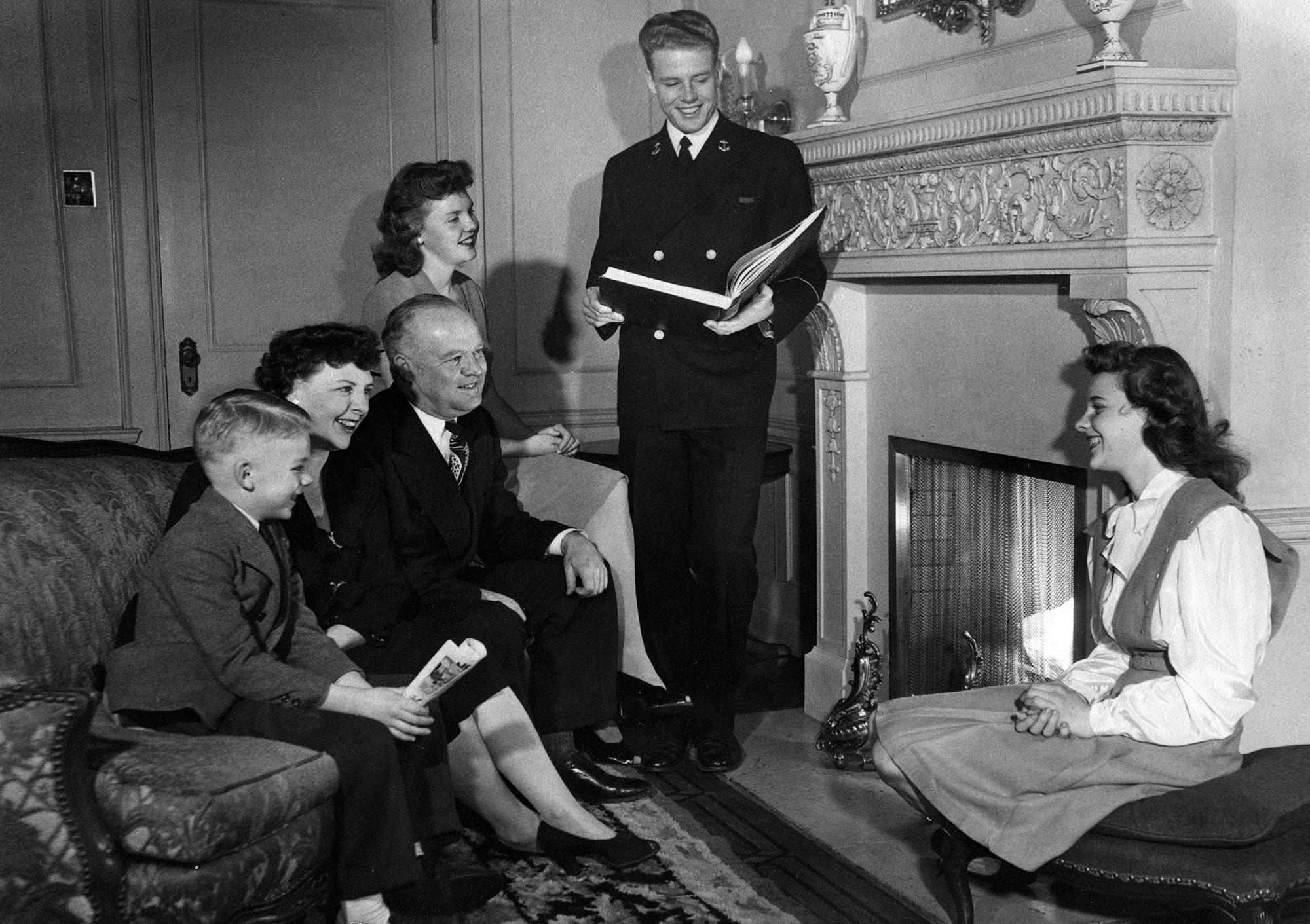
Last week I was able to meet Joan Maw, a daughter-in-law of Herbert Maw, Governor of Utah from 1941-49. Governor Maw was the second governor to live in the Governor's Mansion and Joan let me look through a few family scrapbooks at her home in Salt Lake City. 

While we looked the photos she shared a few fun stories she had heard over the years from her husband and in-laws. 

While in the Mansion, oldest daughter La Rue complained to her father that none of her friends dared swing by the house to pick her up. Her parents tried to compensate for their fame by hosting parties for their children and keeping an open door policy for friends.

One day five year old Ralph decided to explore the home’s steep roof, “Just to see if I could do it,” he later recalled. But he soon found himself stuck three and a half stories in the air until the governor himself came on to the roof to rescue him.

Here are a few of the photos from the Maw family scrapbooks. They will be used a in a documentary I am producing for PBS station KUED7 on the Utah Governor's Mansion.

Historic Preservation 5S.jpg
Maw_Party.jpg
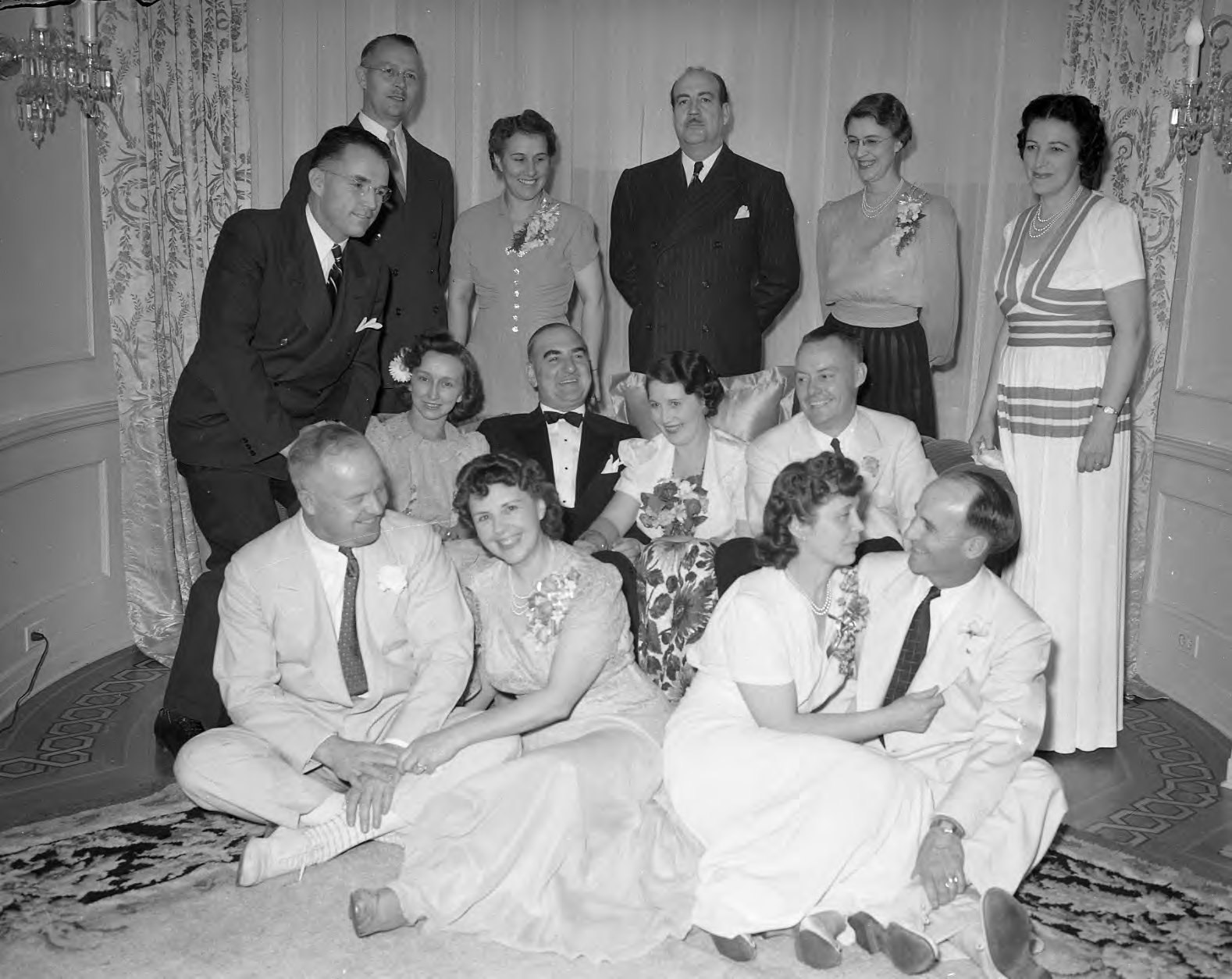
One unique event that happened at the Mansion during the Maw years was a wedding.

One unique event that happened at the Mansion during the Maw years was a wedding.

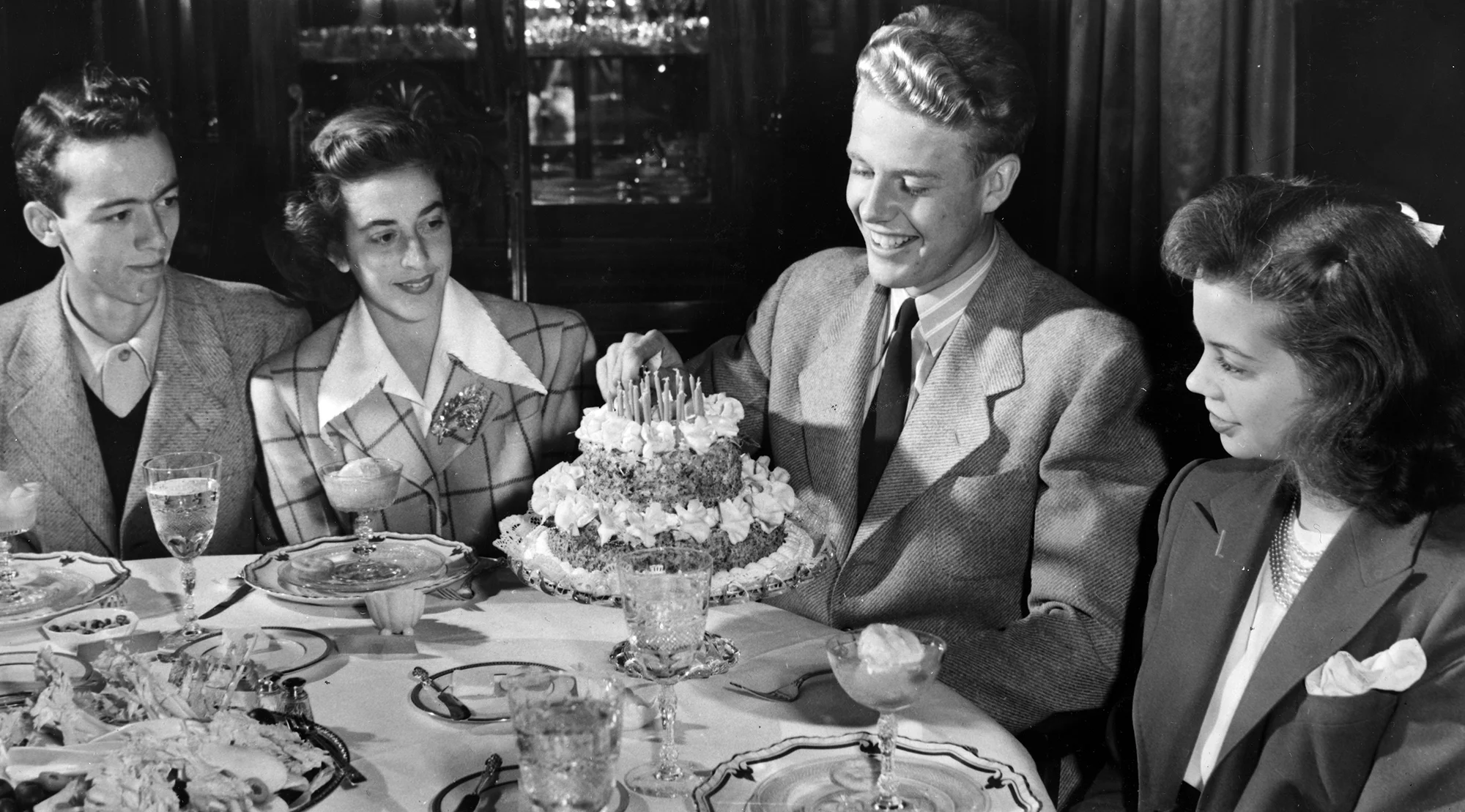
Each Governor family enjoyed hosting formal birthday parties for their children in the Mansion's dinning room. 

Each Governor family enjoyed hosting formal birthday parties for their children in the Mansion's dinning room. 

An example of the Maw's "open door policy." Images courtesy Joan Maw and the Utah State Historical Society. 

An example of the Maw's "open door policy." Images courtesy Joan Maw and the Utah State Historical Society. 

August 09, 2018 /Issac Goeckeritz
Lee 2.jpg

The Governor's Mansion: Lee Years

August 07, 2018 by Issac Goeckeritz

I recently had the opportunity to interview Jon Lee Taylor, a daughter of J. Bracken Lee who served as governor of Utah from 1949-1957. In our interview Jon shared her memories of living in the Governor's Mansion in Salt Lake City - a big change from the town of Price she grew up in.

“I loved living here. There wasn’t any home in our hometown of Price this big. So it was amazing. In fact it was bigger than some of the public buildings in the town!”
— Jon Lee Taylor

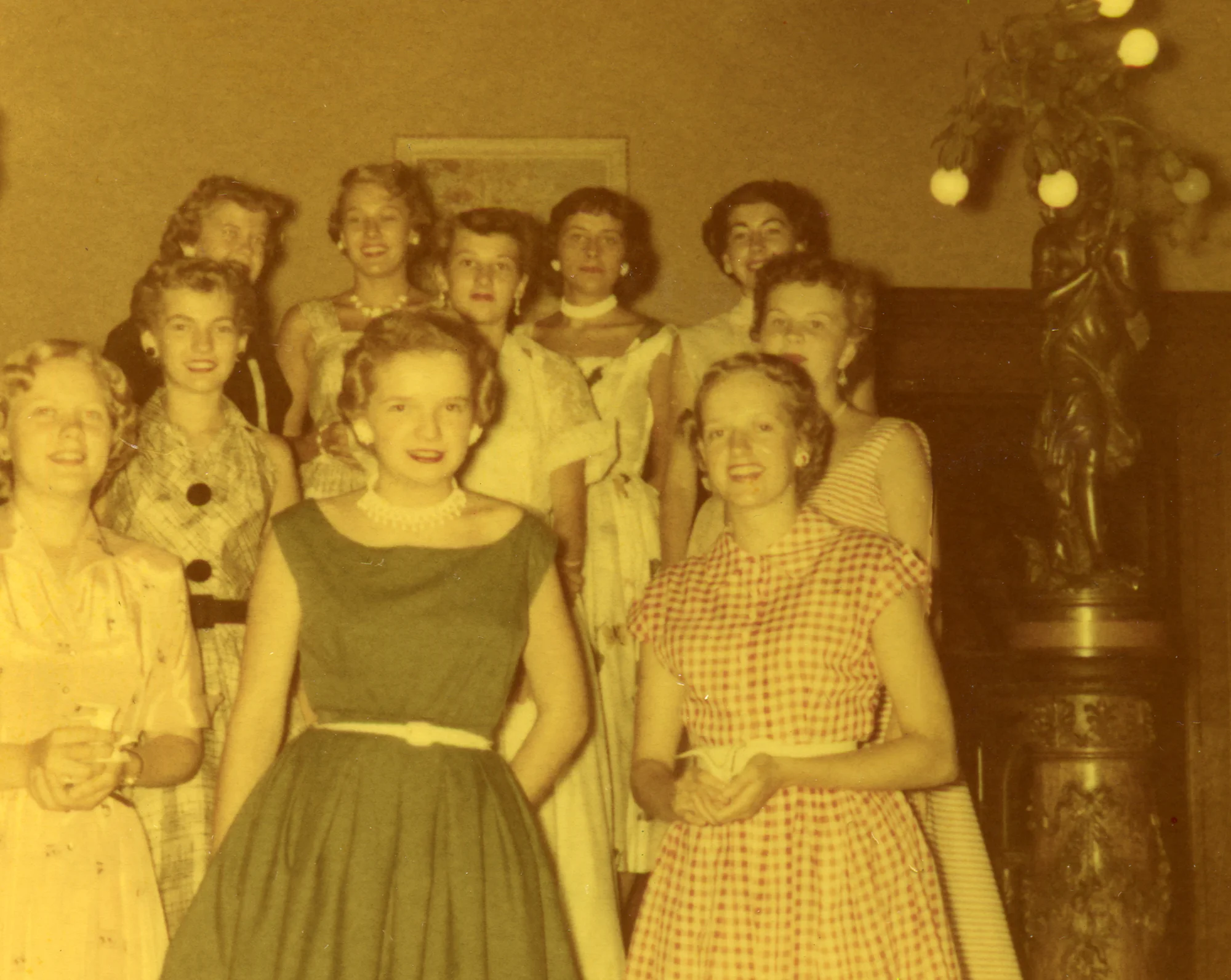
While living at the Mansion, Jon attended West High School. On several occasions she and her mother hosted "Teas." All the girls from West High School were invited to the Mansion for a tour and refreshments. 

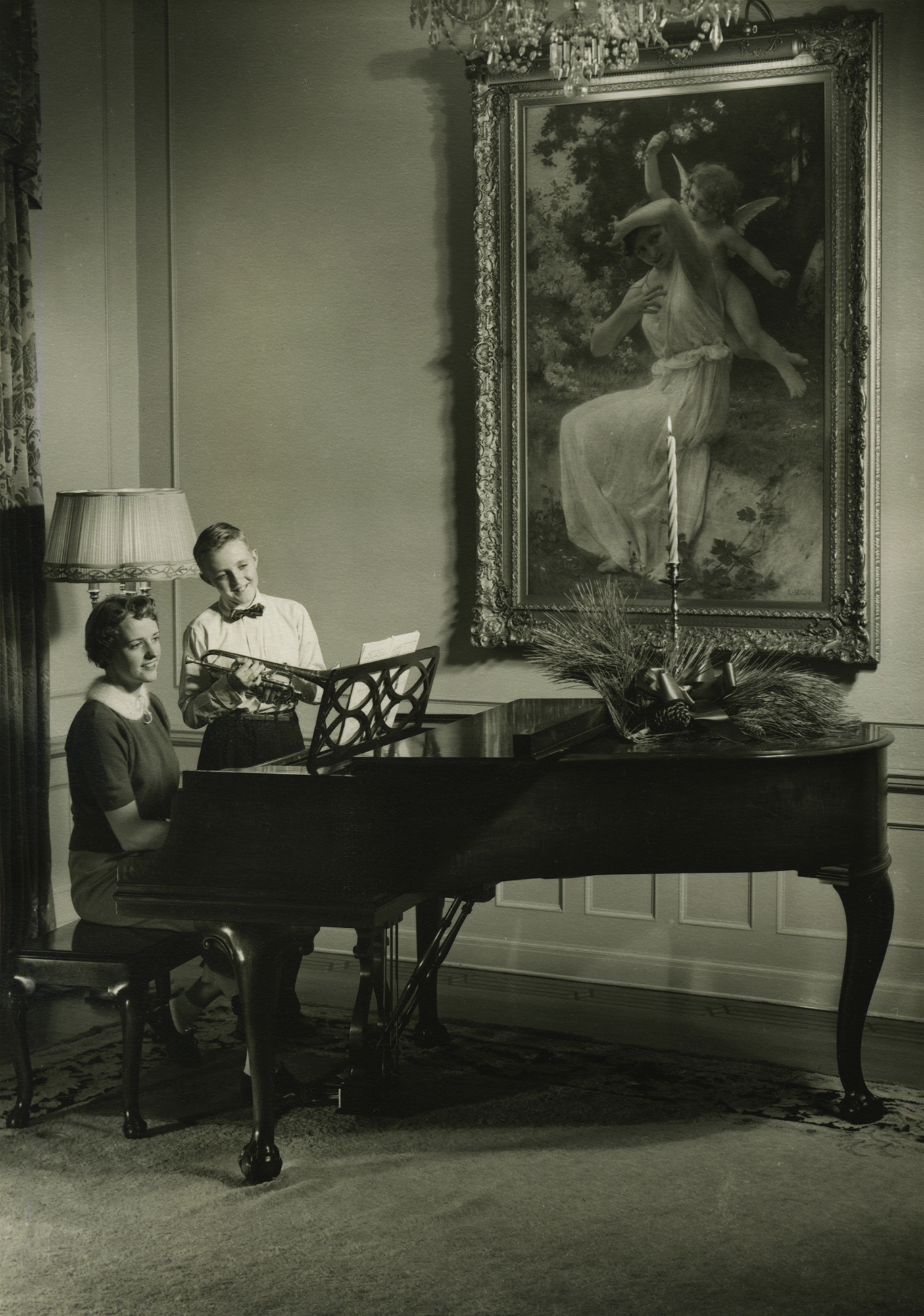
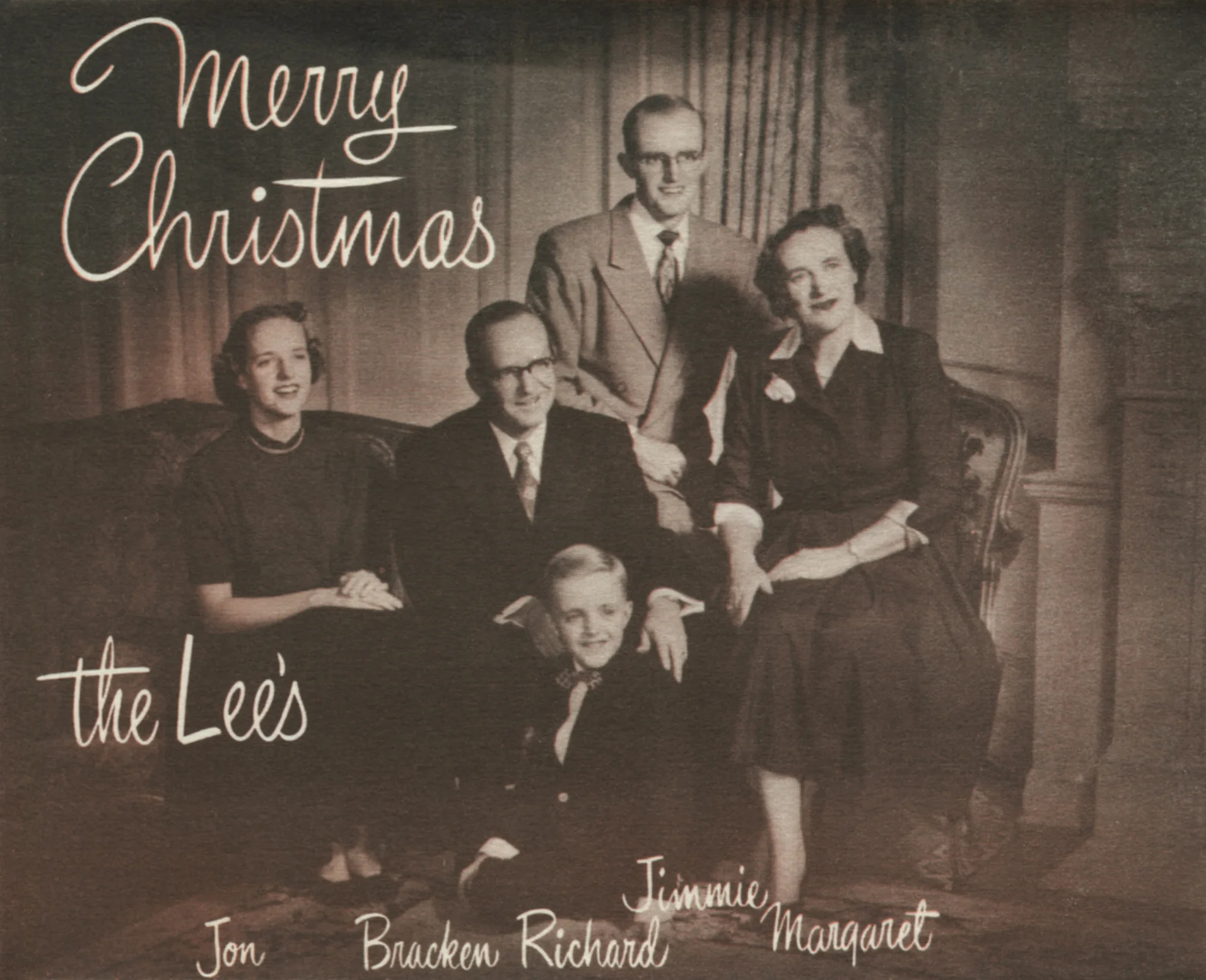
Here are a few photographs Jon shared with me from her scrapbook that show her family's time in the Governor's Mansion.

Lee 17.jpg
Lee 14.jpg
“My mother absolutely adored it. I mean she grew up in a log cabin. So living in a mansion was wonderful and she loved the teas and the parties. She just thrived on it.”
— Jon Lee Taylor
Lee Kearns_Mansion_Governor_s_Residence_P_2.jpg
Lee Kearns_Mansion_Governor_s_Residence_P_9.jpg
Lee 24.jpg
Lee 29.jpg
Lee 27B.jpg
Images courtesy Utah State Historical Society, Jon Lee Taylor, Salt Lake Tribune.

Images courtesy Utah State Historical Society, Jon Lee Taylor, Salt Lake Tribune.

August 07, 2018 /Issac Goeckeritz
8Z7A1204.jpg

The Governor's Mansion: Utah State Historical Society Years

July 17, 2018 by Issac Goeckeritz

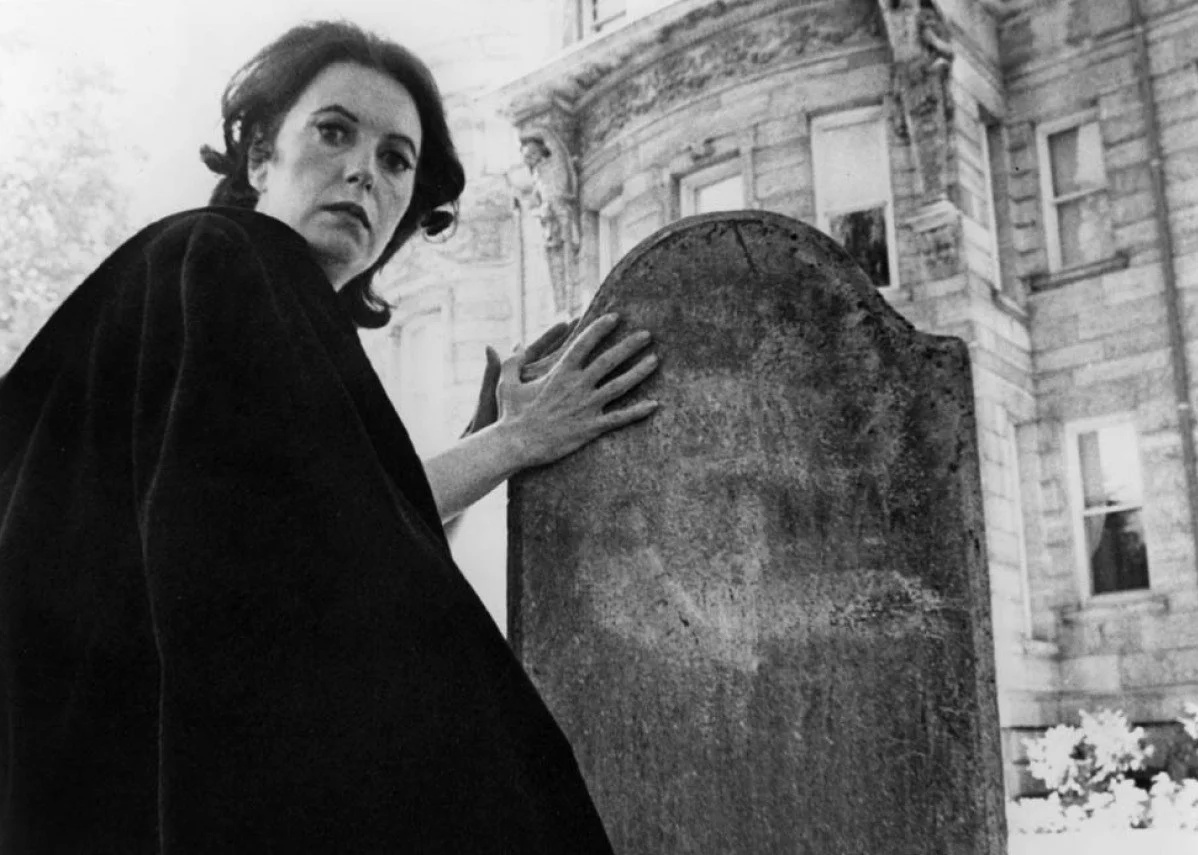
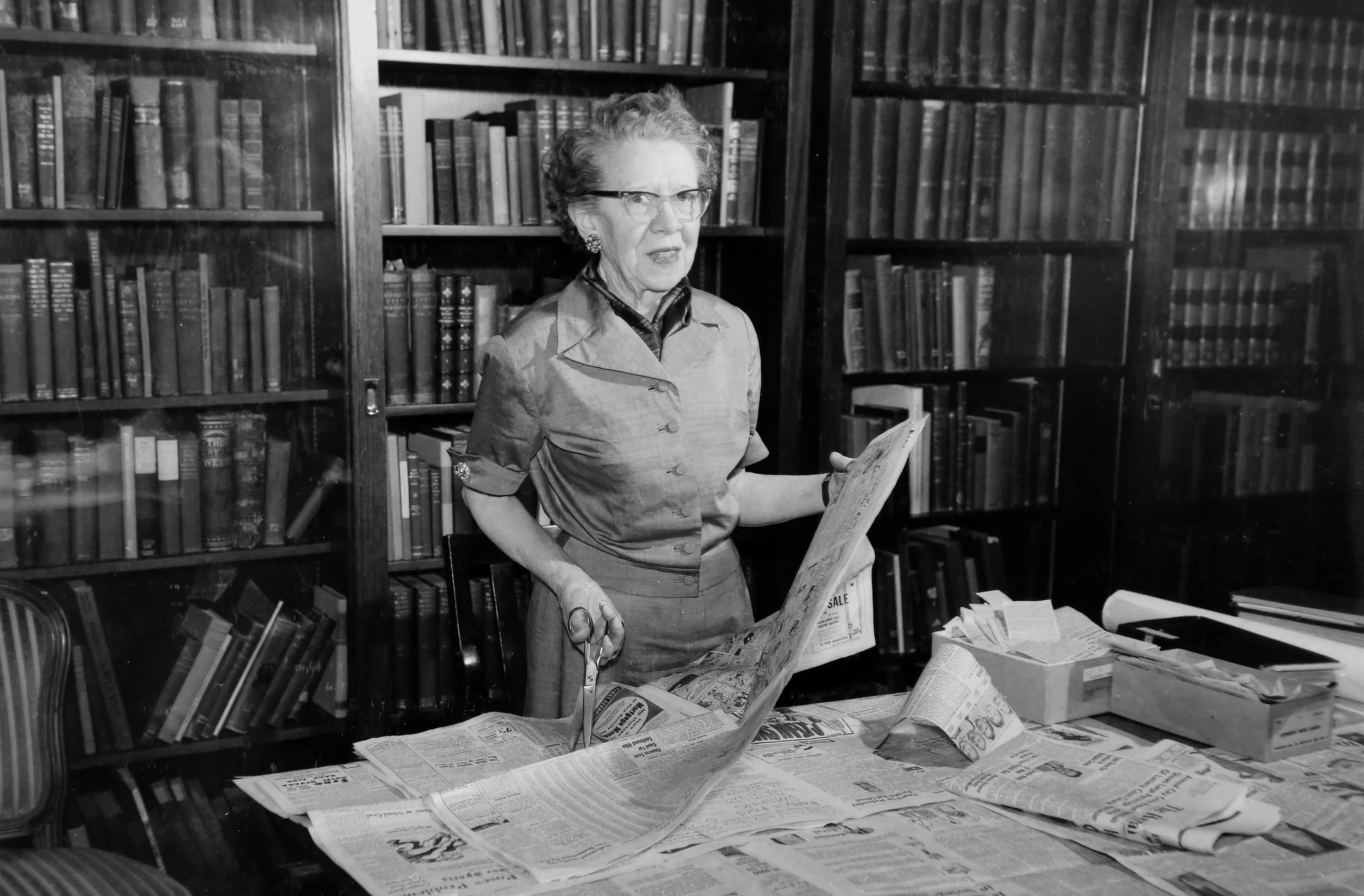
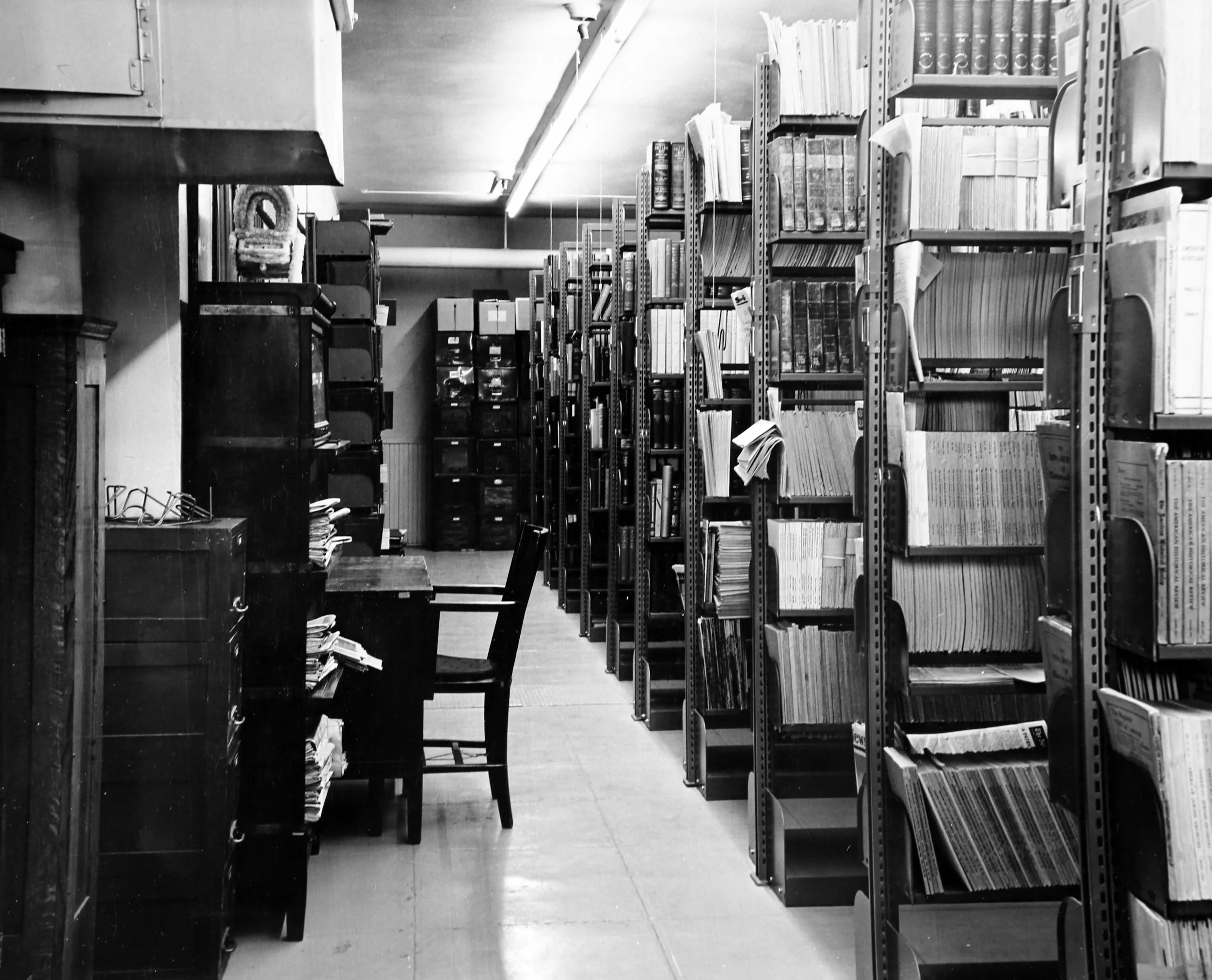
While doing research for a documentery on the Utah Governors Mansion, I learned that for nearly 25 years, the Mansion housed the Utah State Historical Society. In the late 1950's Governor J. Bracken Lee decided the Mansion was unfit to serve at the Governor's official residence. The building was 55 years old and hadn't seen many updates over the years. In 1973, the Mansion was used as a set for a horror film titled "The House of Seven Corpses."

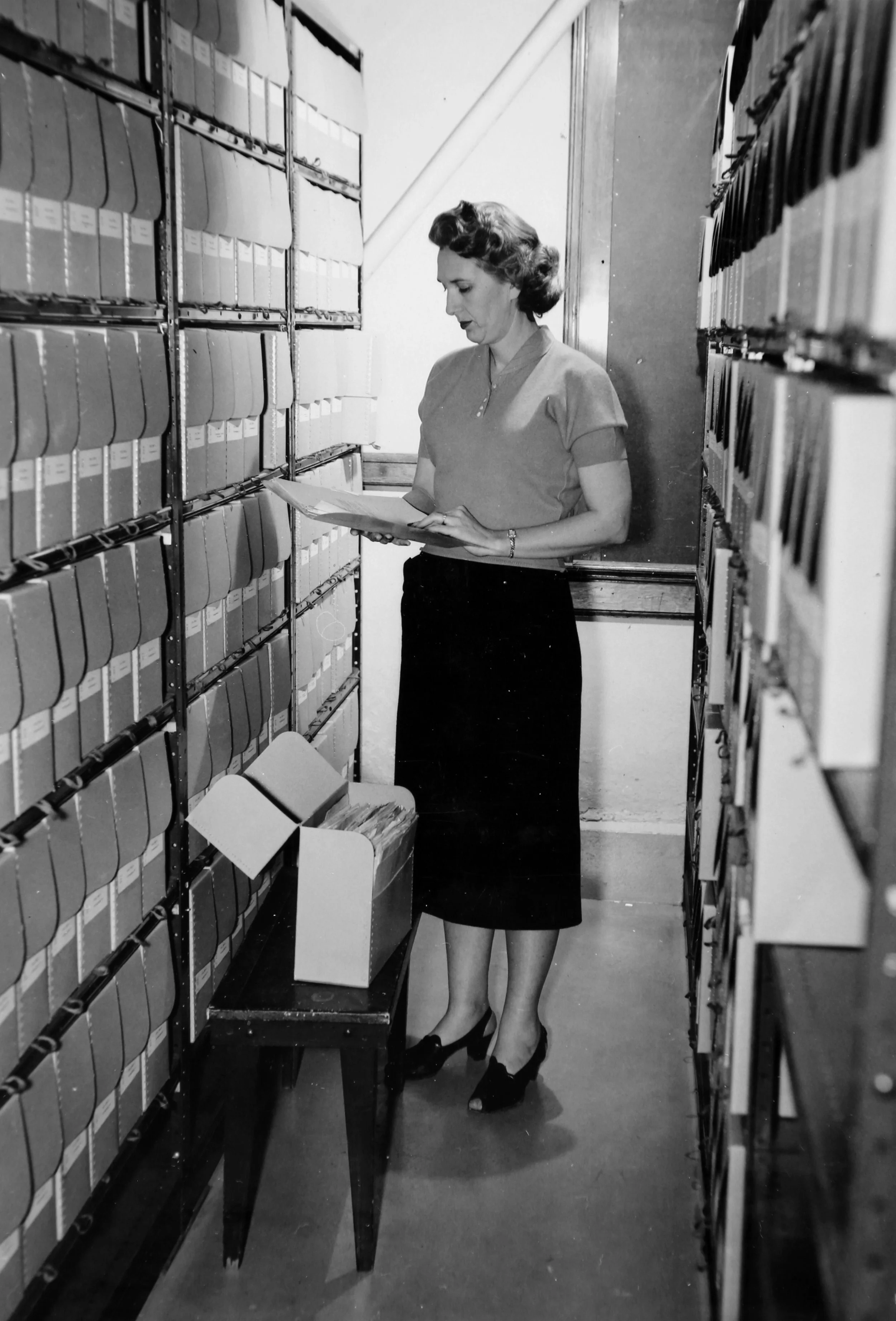
The Utah State Historical Society has a number of great images showing the Mansion in use during those years. Archival documents were stored in the basement and bedrooms were used for offices and reading areas. 

house-of-seven-corpses-5-1-g.jpg
The House of Seven Corpses promotional photo and artwork for a VHS release. 

The House of Seven Corpses promotional photo and artwork for a VHS release. 

8Z7A1113.jpg
8Z7A1114.jpg
8Z7A1208.jpg
8Z7A1116.jpg
Archival images courtesy Utah State Historical Society. 

Archival images courtesy Utah State Historical Society. 


July 17, 2018 /Issac Goeckeritz
Mansion USHS.jpg

The Governor's Mansion

July 10, 2018 by Issac Goeckeritz

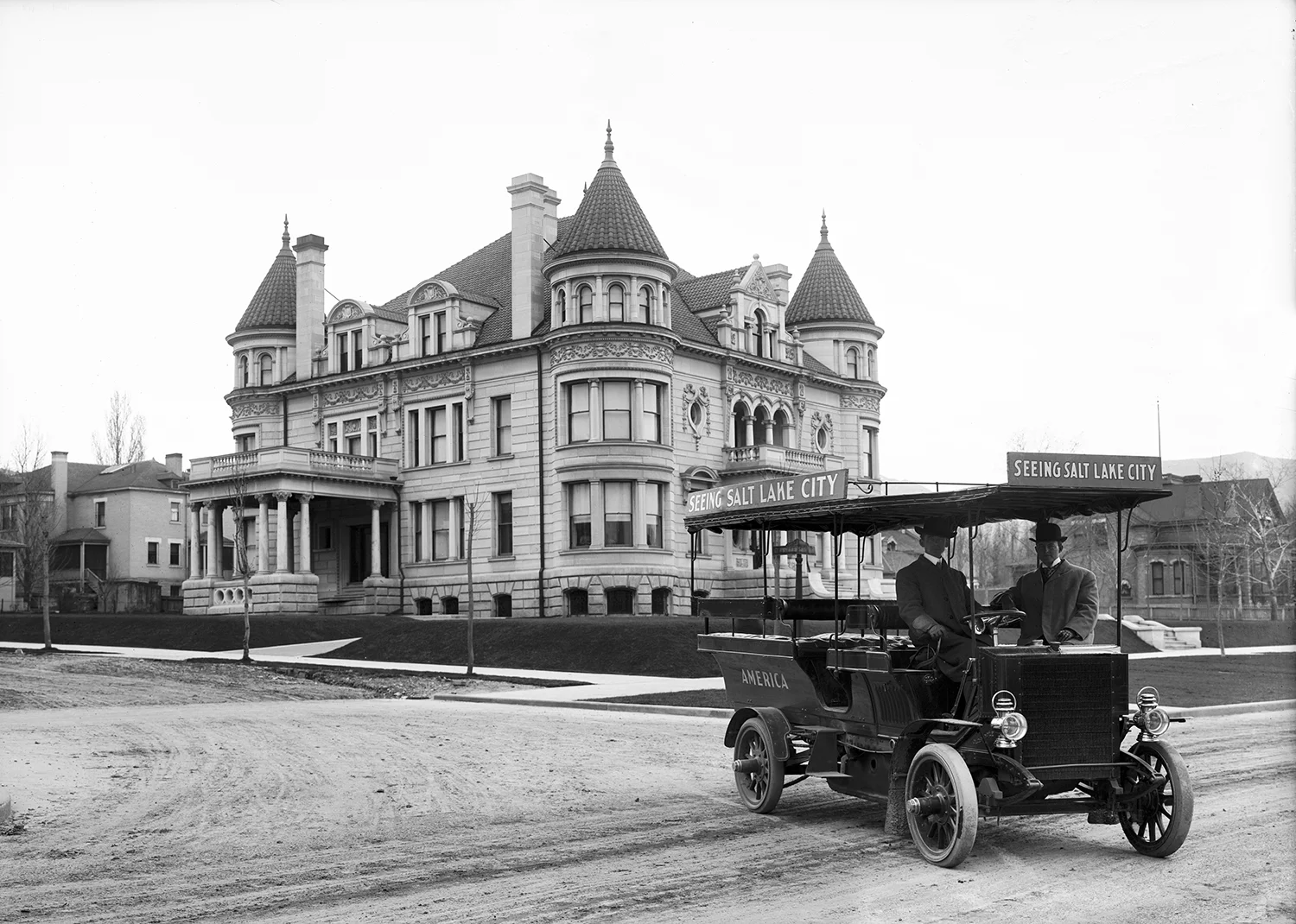
The last few months I've been working on a documentary for PBS Station KUED7 on the history of the Utah Governor's Mansion. The Mansion was originally built by Thomas and Jennie Kearns in 1902 and was later donated to the State of Utah by Jennie Kearns in 1937. Three Governors and their families lived in the Mansion until the 1950's, when Governor J. Bracken Lee decided to build a new Governors Mansion in the Federal Heights neighborhood. The old Mansion was then used by the Utah Historical Society. From 1977 to 1980 extensive restoration work was done on the Mansion and it became the official Governors residence again. 

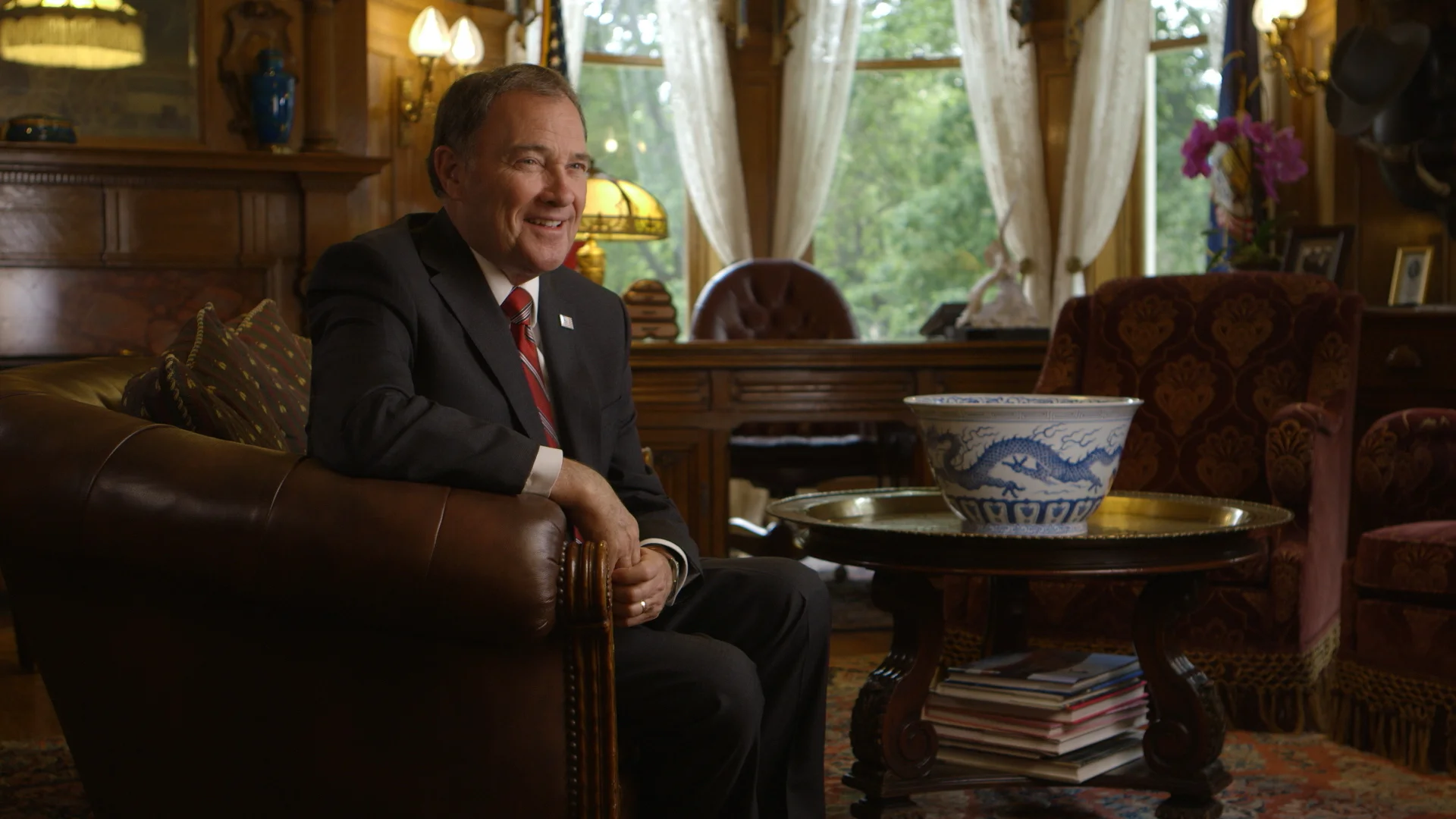
An interview with Gary Herbert, the current Governor of Utah

An interview with Gary Herbert, the current Governor of Utah

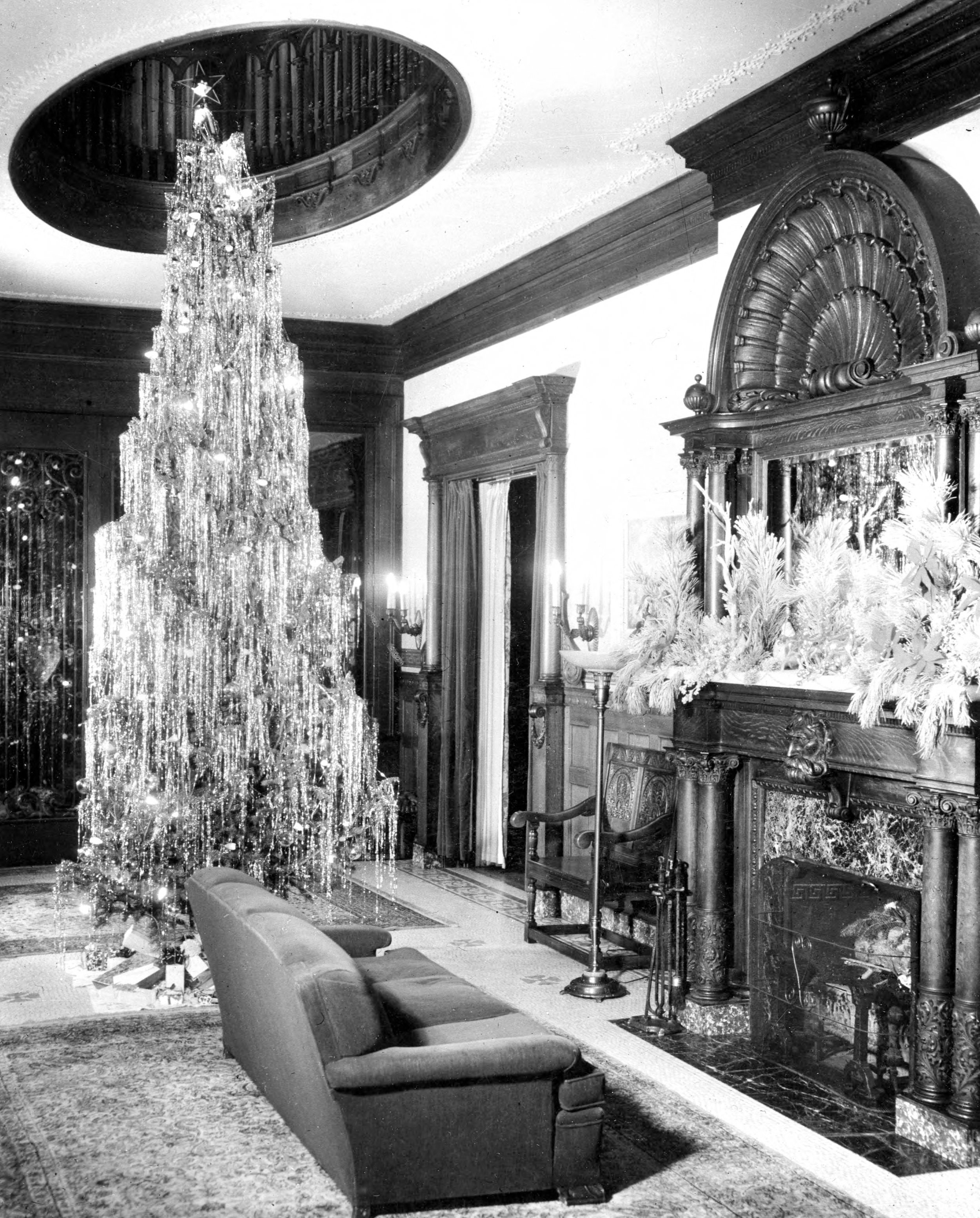
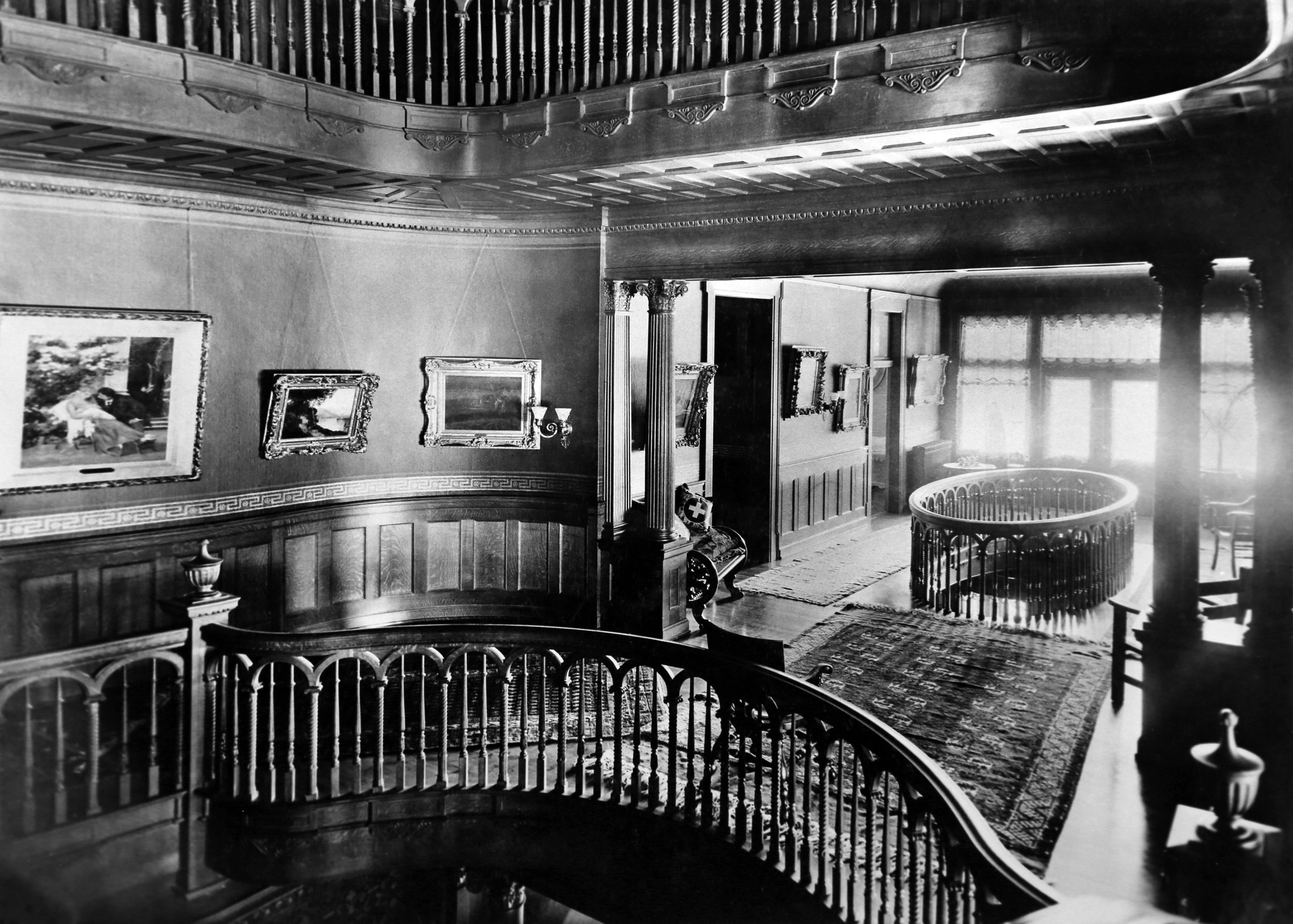
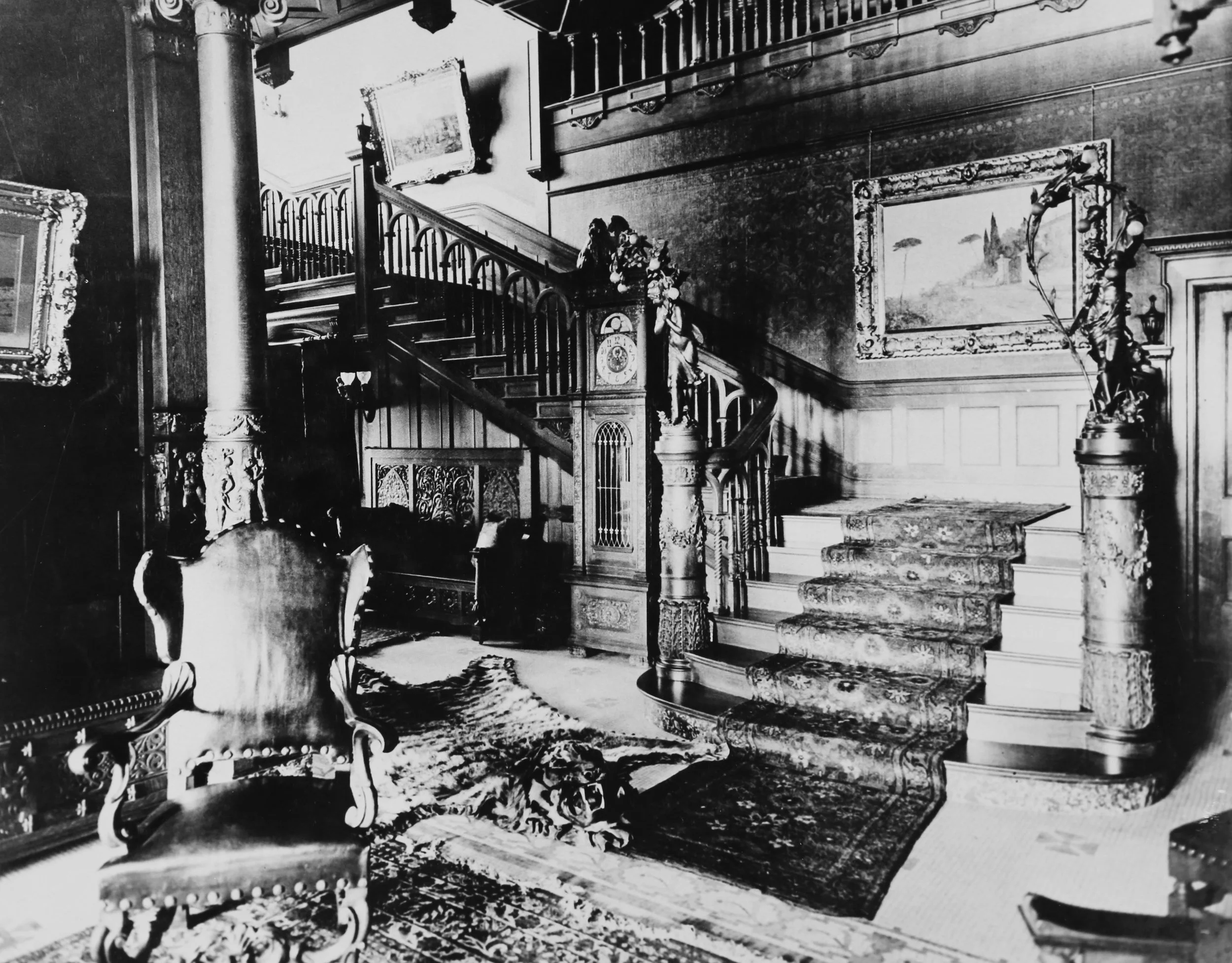
During production we've had the opportunity to interview a handful and Governors and individuals who lived and worked in the Mansion over the years. This month we will begin editing the program and it will air on KUED7 this fall. Here are a few images of the Mansion's history. 

Governor J. Bracken Lee celebrating his mother's birthday in the Mansion. 

Governor J. Bracken Lee celebrating his mother's birthday in the Mansion. 

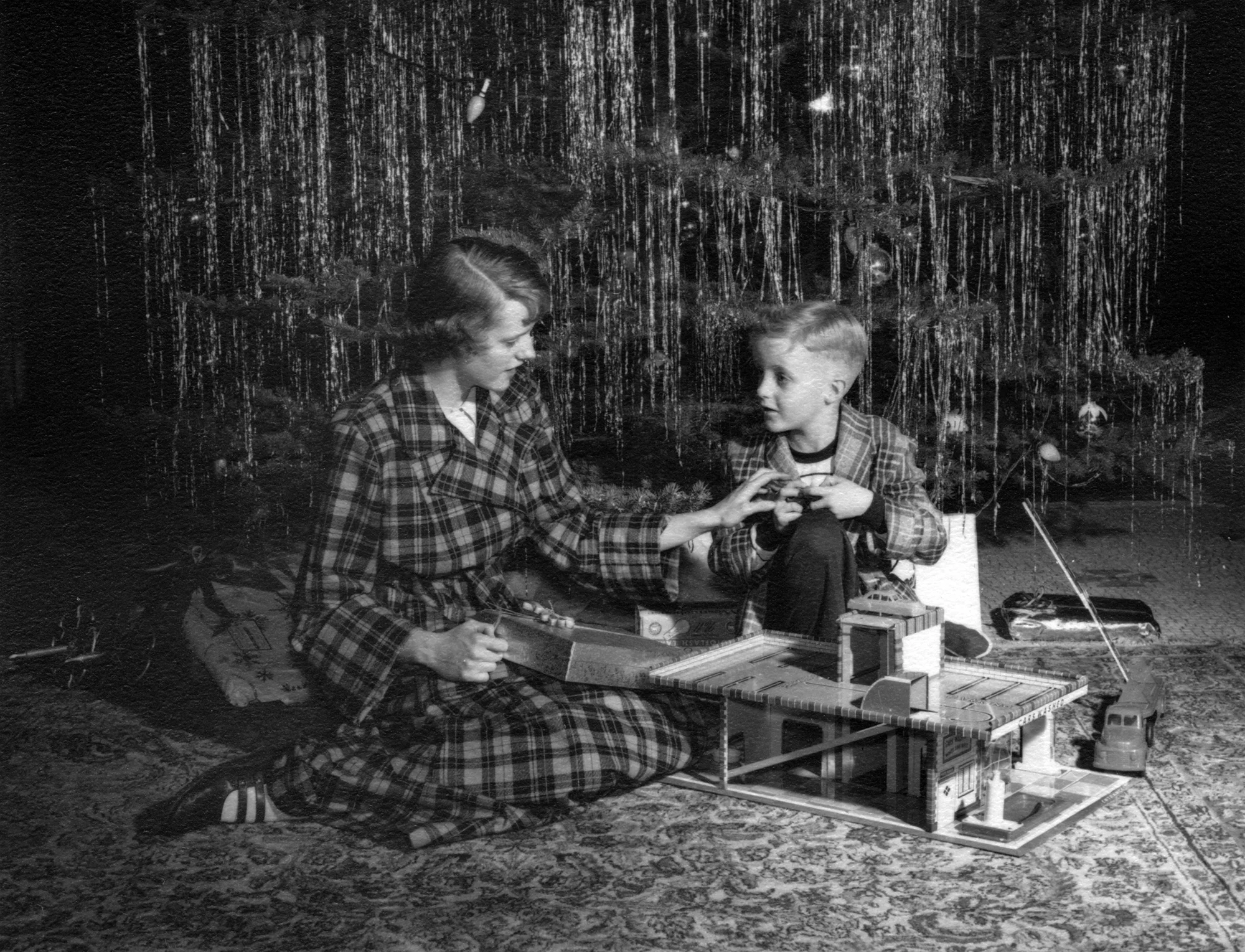
Christmas at the Mansion.

Christmas at the Mansion.

Kearns Mansion Interior 004 Stairs.jpg
Interior photos of the Mansion during the Kearns years. Archival images courtesy Utah State Historical Society. 

Interior photos of the Mansion during the Kearns years. Archival images courtesy Utah State Historical Society. 


July 10, 2018 /Issac Goeckeritz

Be One

June 04, 2018 by Issac Goeckeritz

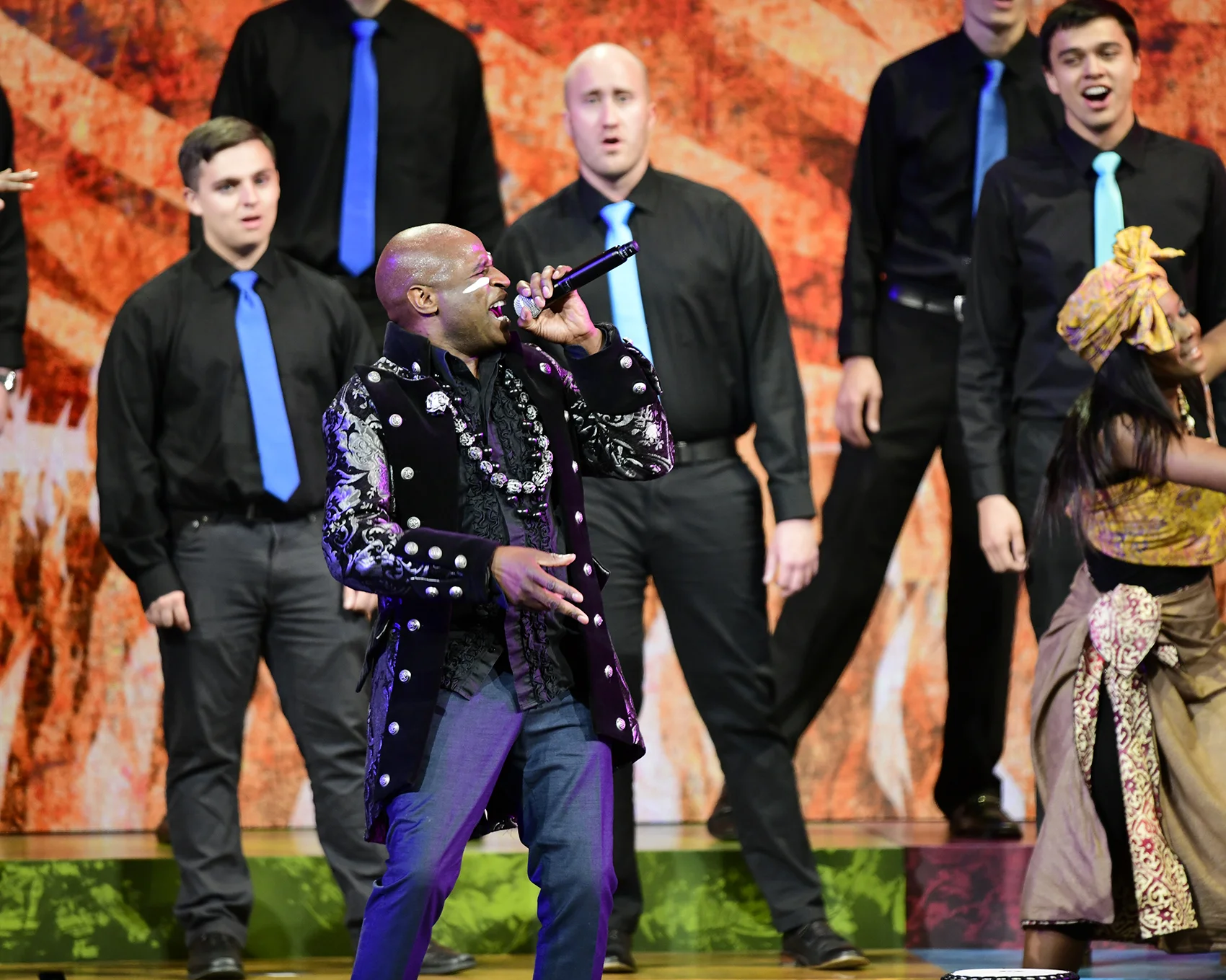
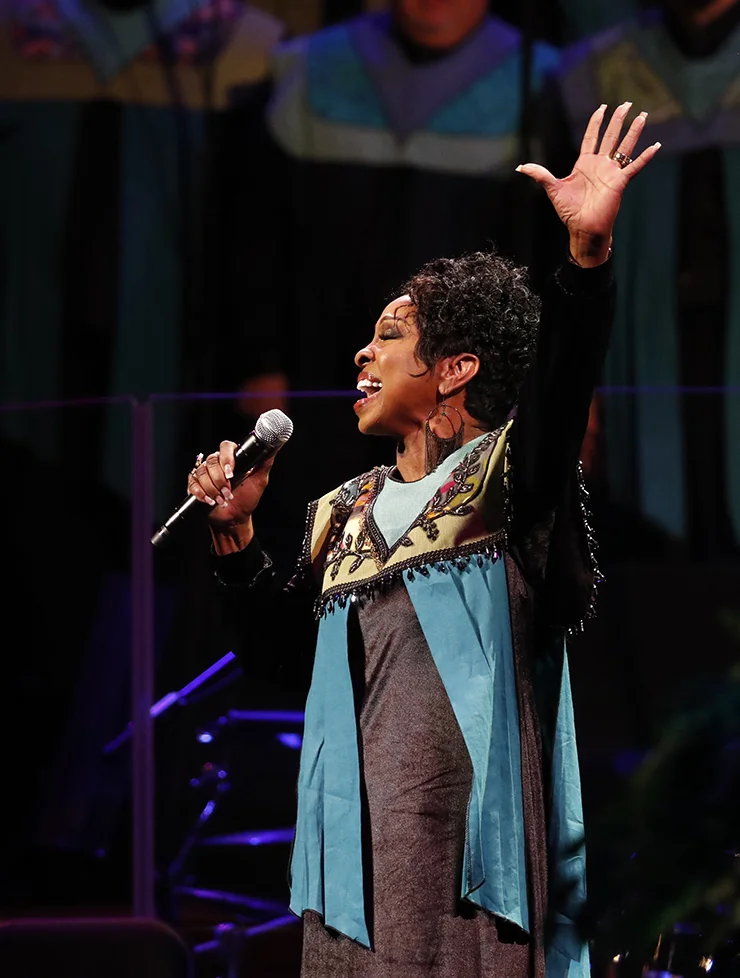
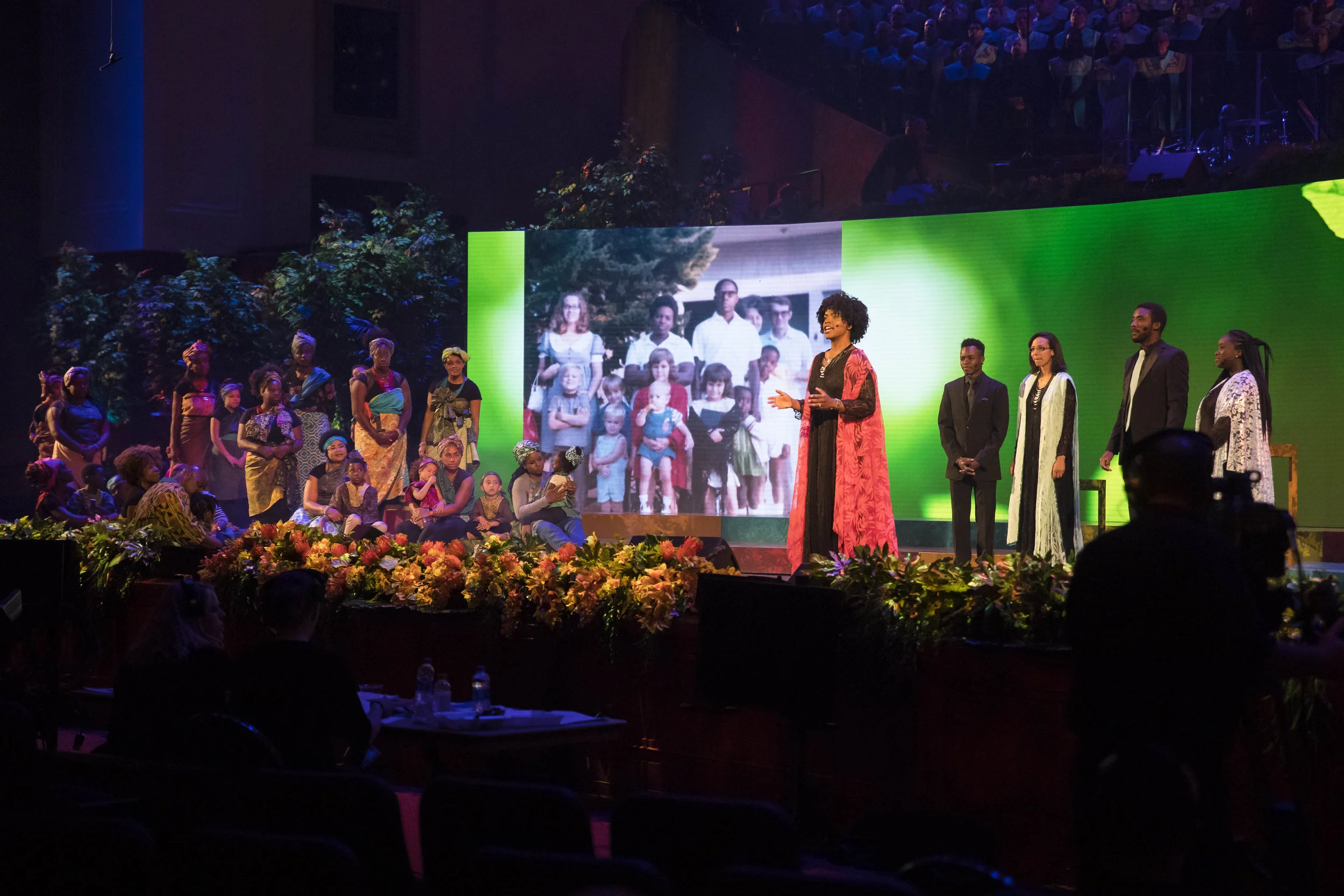
This weekend I helped Mormon Newsroom document an event the Conference Center in Salt Lake City, Utah called "Be One." It shared the history of the African American heritage in the Church of Jesus Christ of Latter-day Saints and celebrated the Church’s June 1978 revelation that extended "the blessings of the priesthood and the temple to all of God's children everywhere in the world." 

Guest performers Gladys Knight, Alex Boyé and the Saints Unified Voices performed musical arrangements that got the audience on their feet and singing along. Here are a few photos and a video we put together about the evening.

Be-One7289-2018.jpg
_I5I8668a.jpg
Images courtesy Mormon Newsroom.

Images courtesy Mormon Newsroom.

June 04, 2018 /Issac Goeckeritz

The Rights of Nature at DOK.fest 2018

May 03, 2018 by Issac Goeckeritz

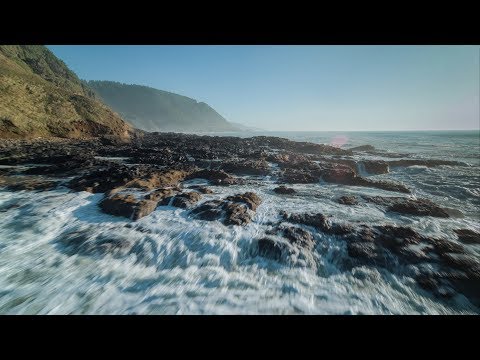
On May 7th and 10th, a film I have been working on for the last year and half will be having a team screening at DOK.fest in Munich, Germany. The documentary is titled The Rights of Nature: A Global Movement and tells the story of a growing environmental initiative in which natural areas are given legal status. For the film our team traveled to Ecuador, New Zealand and Santa Monica, California to learn how each of these locations have changed laws and mindsets to recognize the rights of nature. Here is a short clip from the film.

May 03, 2018 /Issac Goeckeritz
RMN-Thailand1734-2018-resized.jpg

The Global Ministry Tour

May 03, 2018 by Issac Goeckeritz

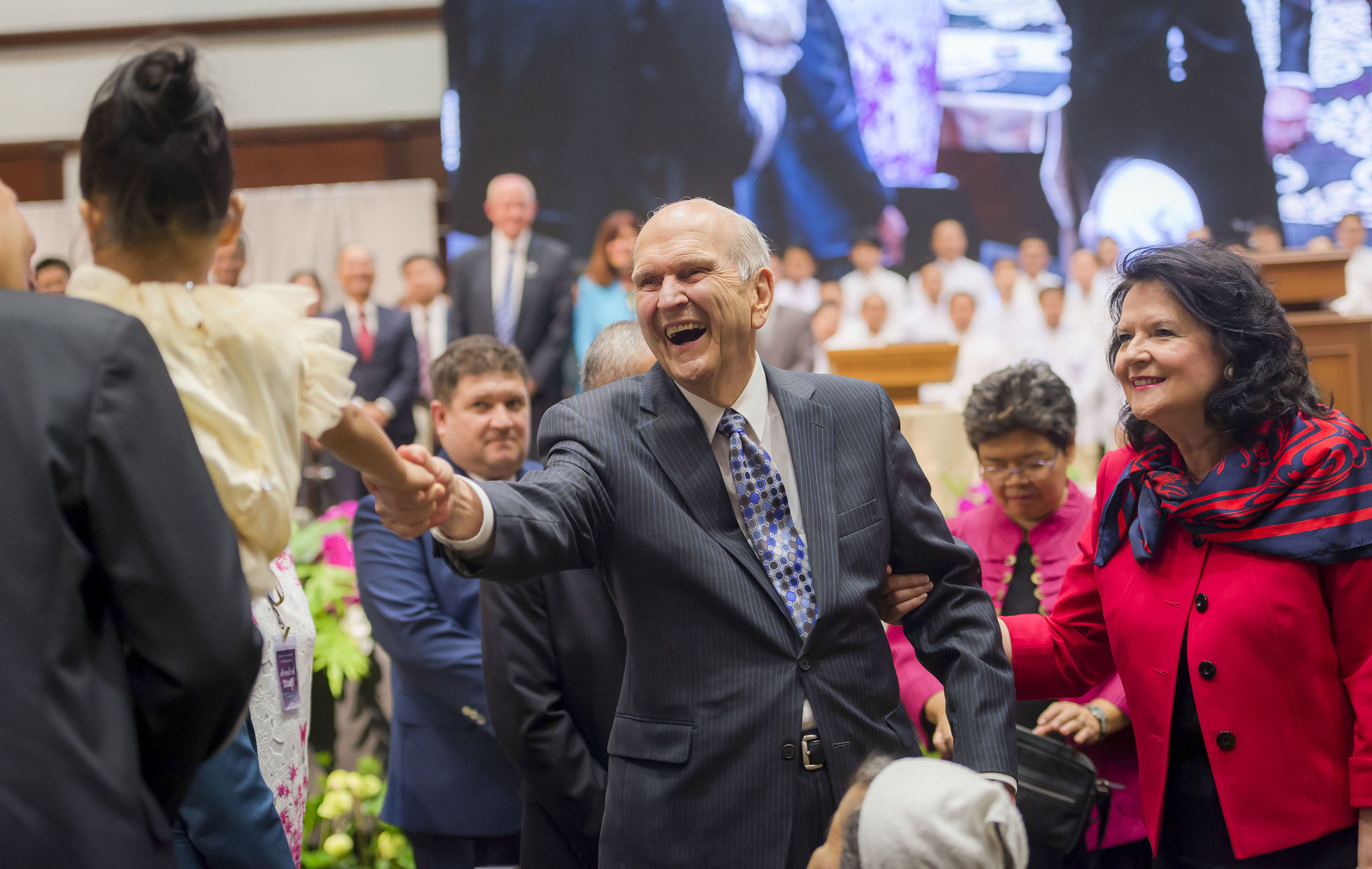
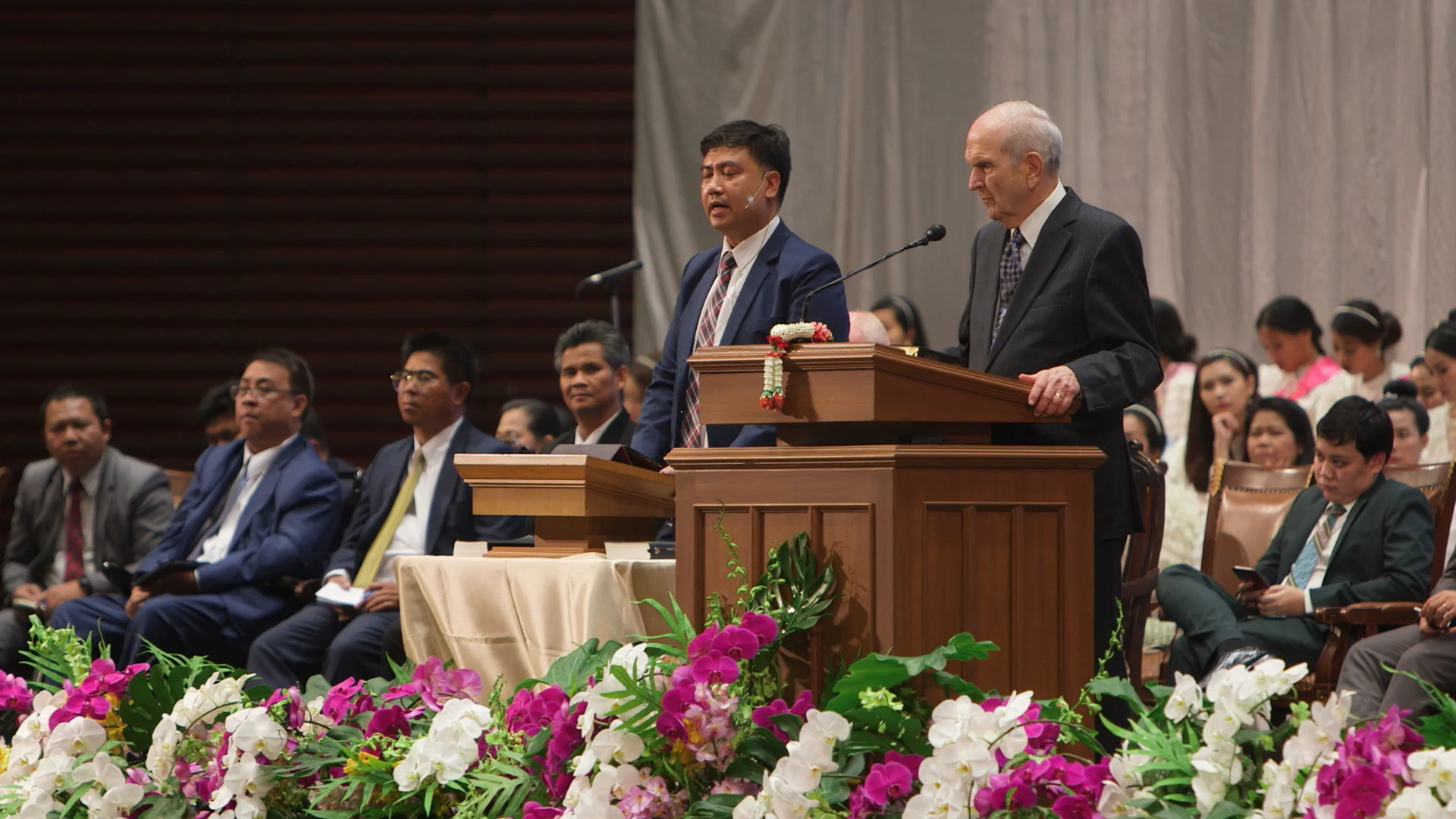
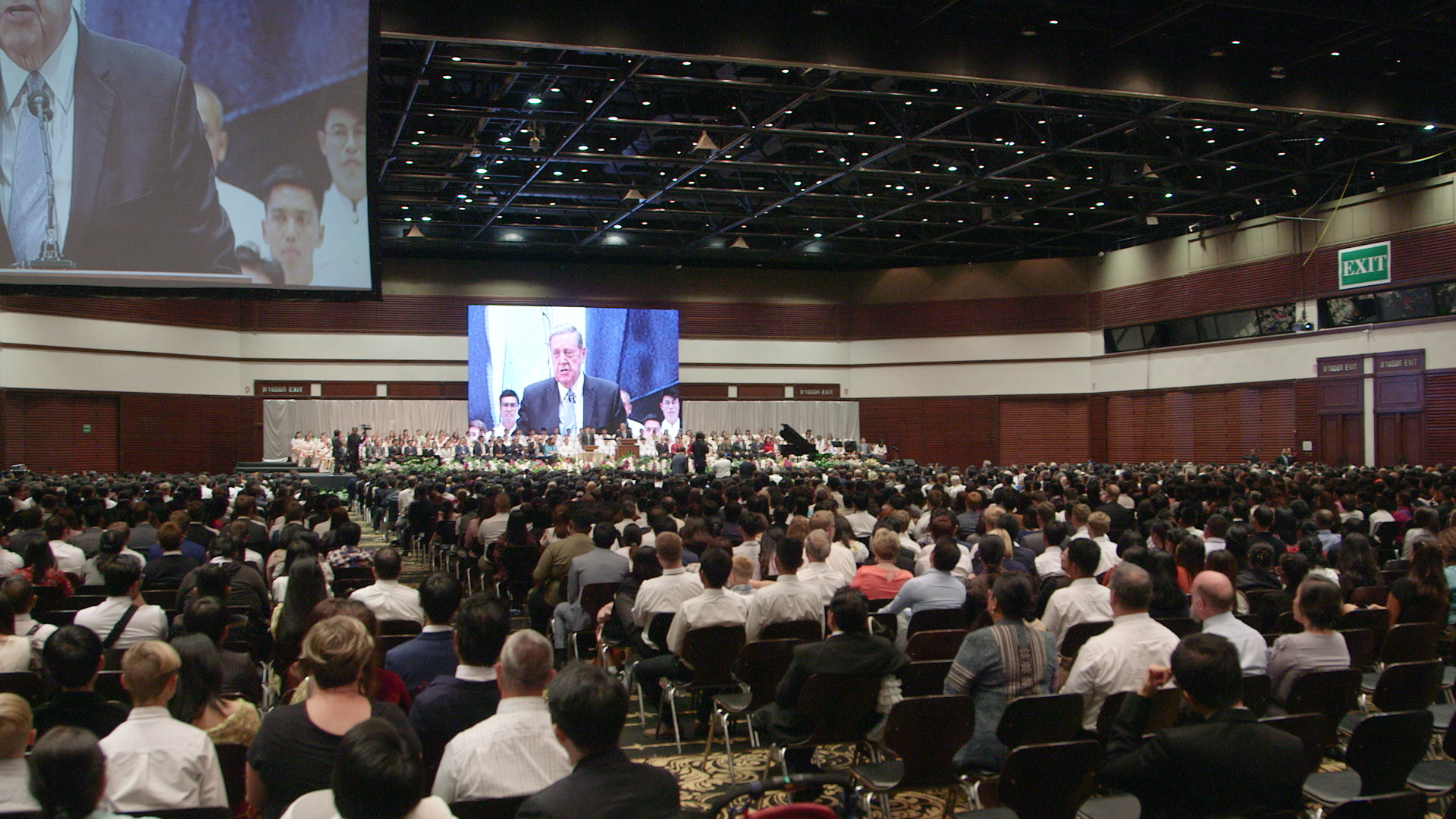
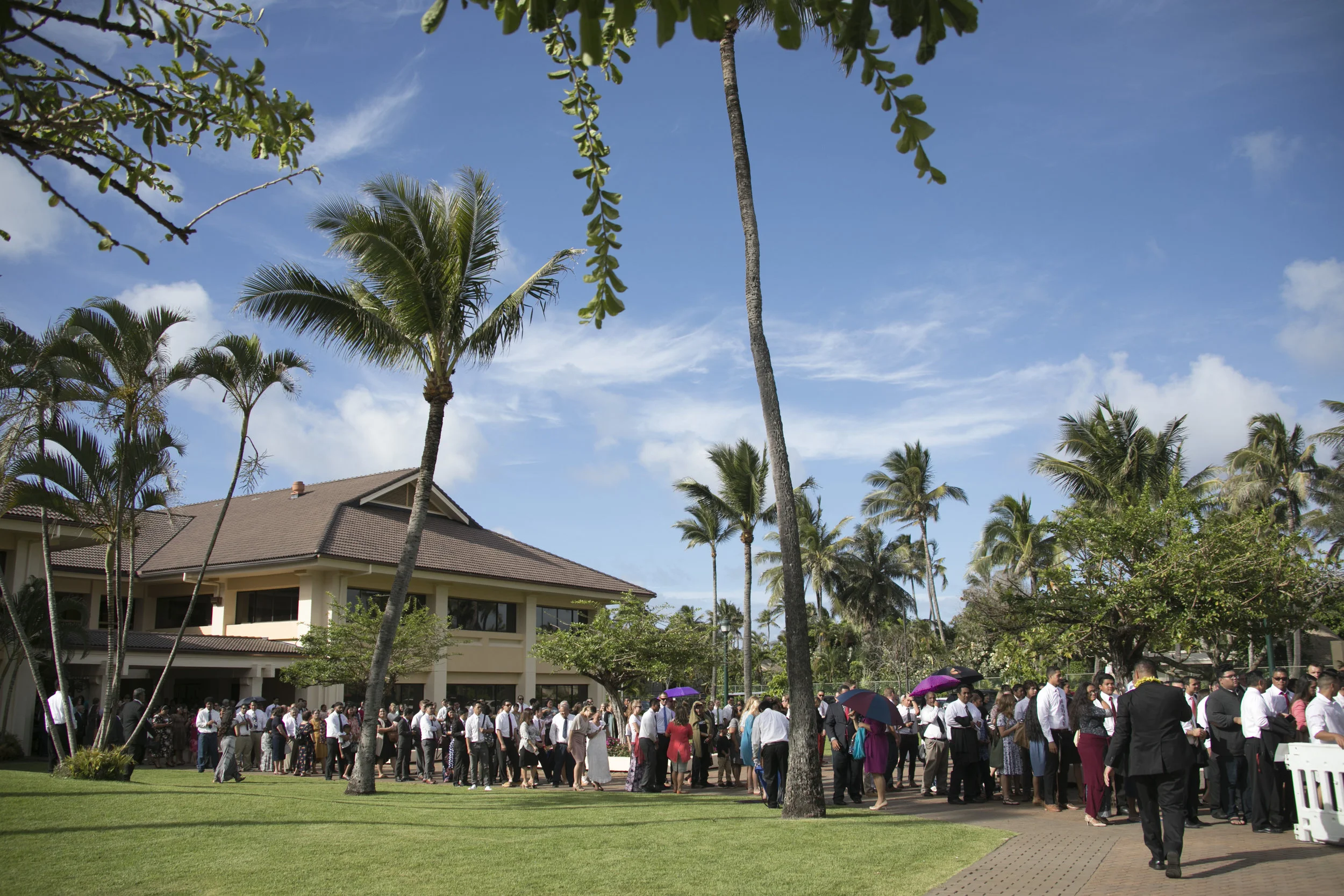
The last couple of weeks I had the opportunity to document part of the Global Ministry Tour by Russell M. Nelson, President of the Church of Jesus Christ of Latter-day Saints. As a newly installed leader of the church, Nelson visited a number of nations across the globe, meeting with church members and speaking at devotionals attended by thousands. I was asked to record stories for Mormon Newsroom in Harare, Zimbabwe, Bangkok, Thailand and Laie, Hawaii. It was an exhausting trip, but also a special experience. Here are some of the stories we produced. 

Package (ahailand) ENGLISH PRORES.mov.00_01_37_01.Still003.jpg
Package (Thailand) EaNGLISH PRORES.mov.00_01_47_16.Still002.jpg
Package (Zimbabwe) ProRes.mov.00_01_01_21.Still001.jpg
In each location, attendees traveled from far distances and arrived several hours early to get in line for the devotional. Images courtesy Mormon Newsroom. 

In each location, attendees traveled from far distances and arrived several hours early to get in line for the devotional. Images courtesy Mormon Newsroom. 

May 03, 2018 /Issac Goeckeritz
37Pano_View_Ogden.jpg

Eyes Toward the Past

February 23, 2018 by Issac Goeckeritz

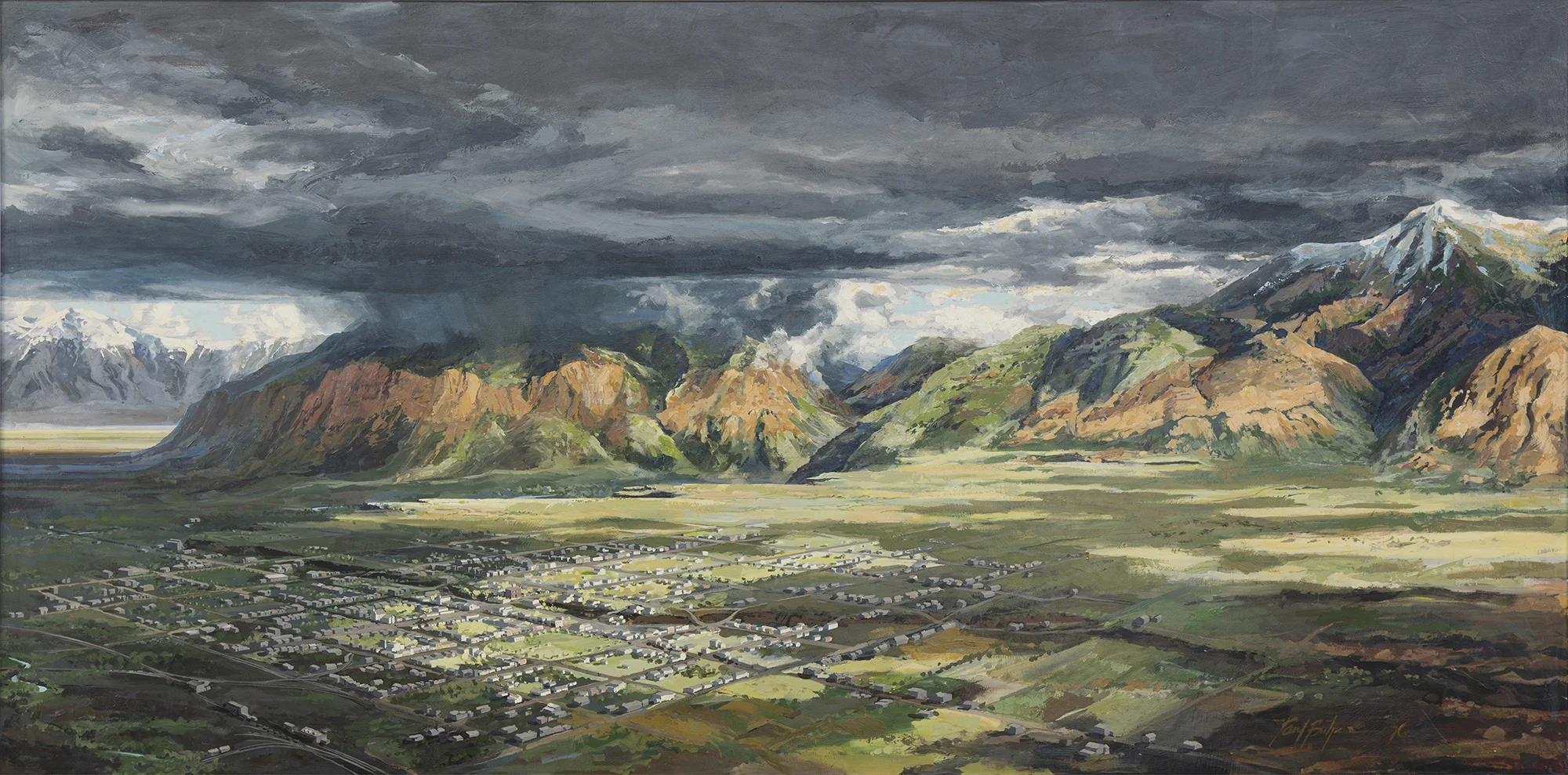
I just completed a second volume of short documentaries for the Weber State University Storytelling Festival. Last year we produced 20 videos that told the stories of historical people, places and events in northern Utah. The ideas for the stories came from a series of paintings done by Utah artists commissioned in 1976. 

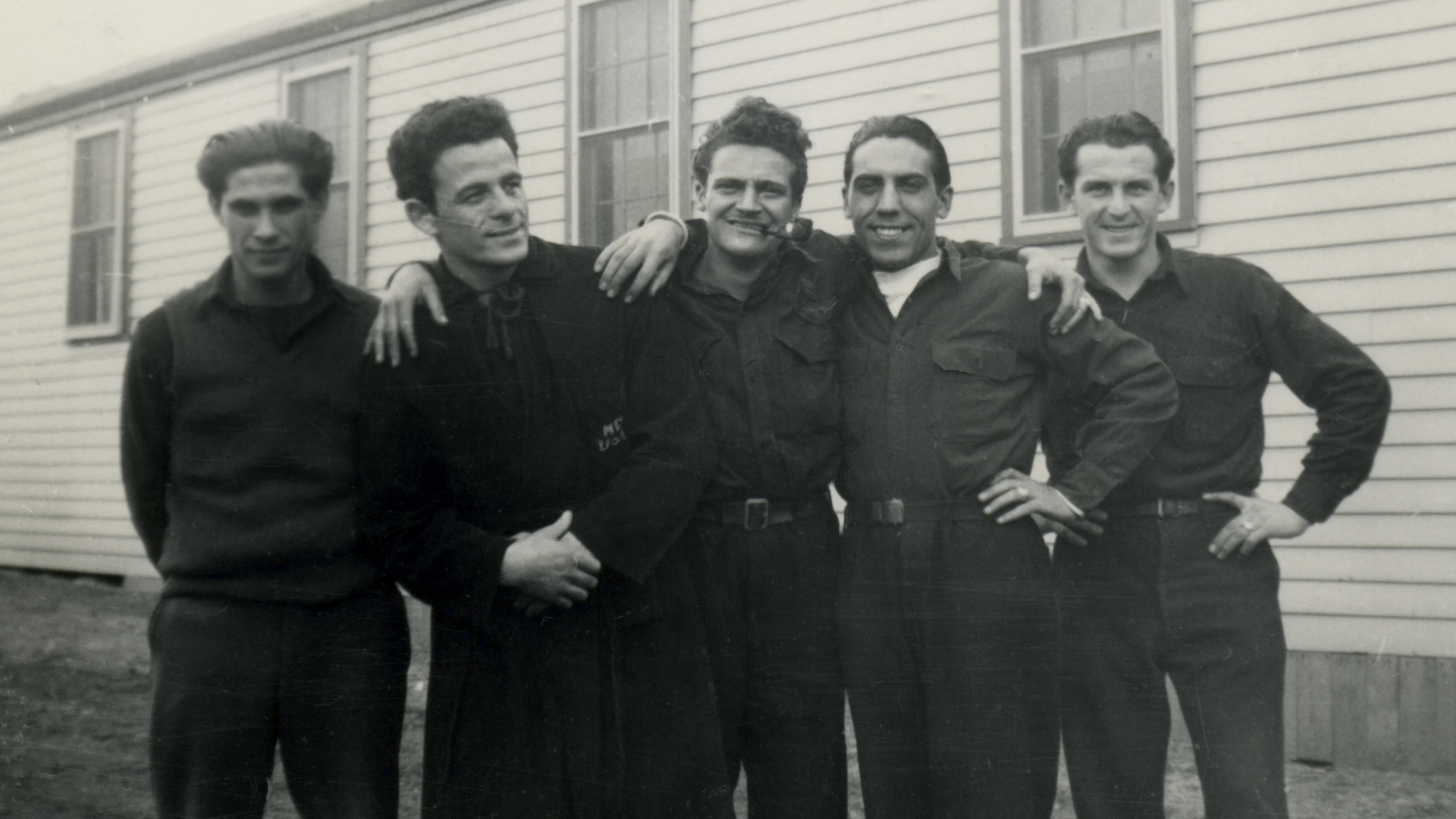
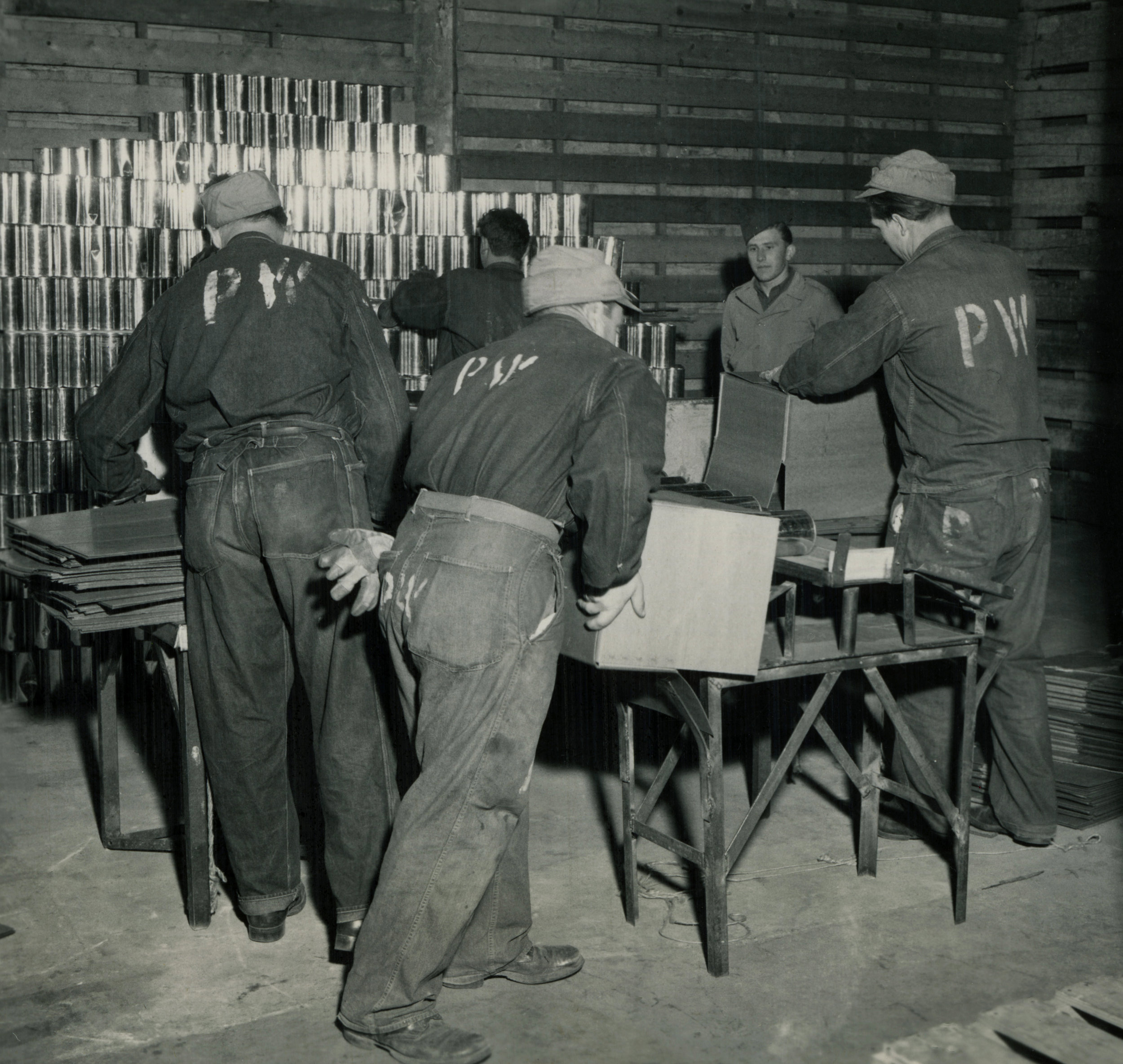
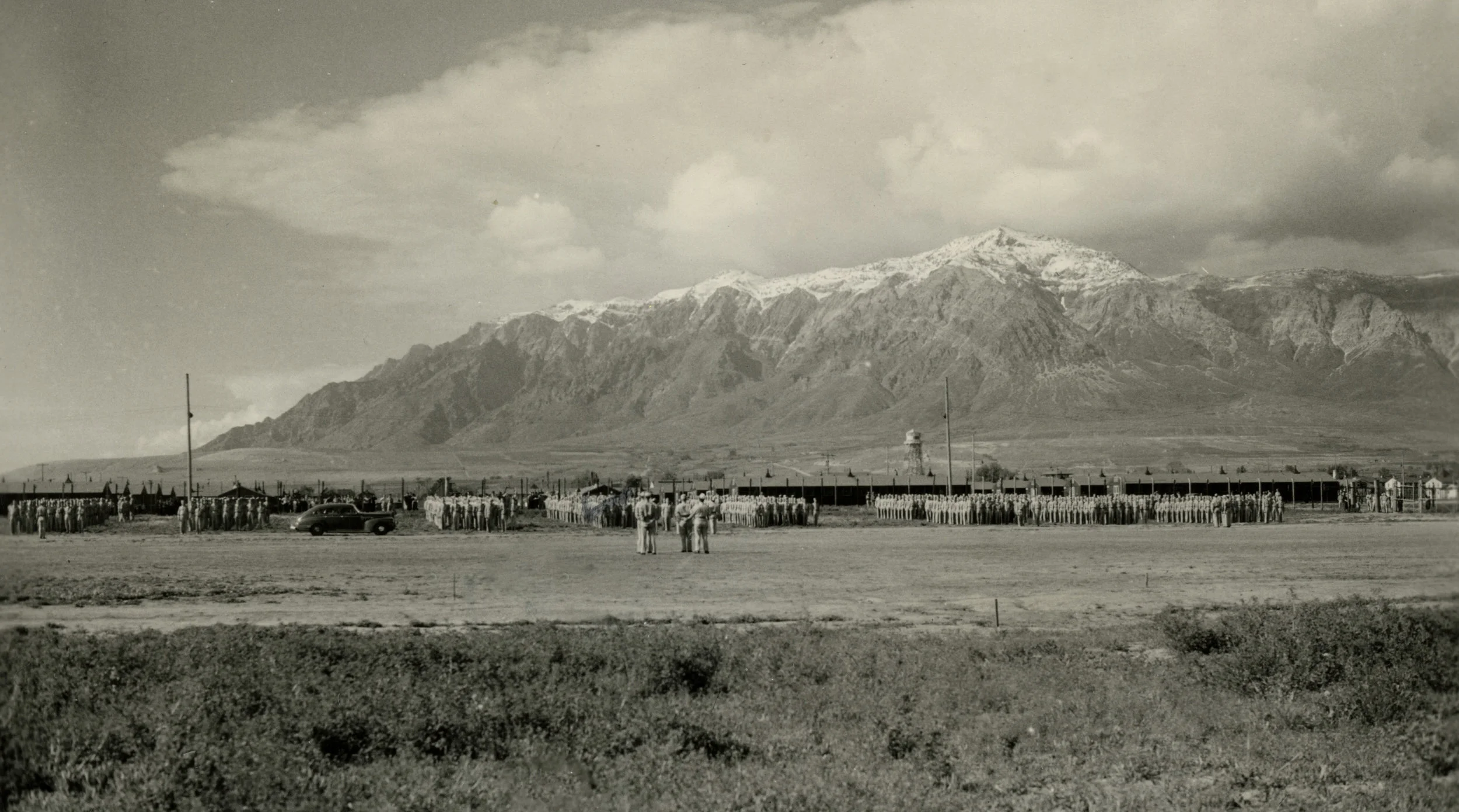
One story I enjoyed puting together in this volume was of a prisoner of war camp that operated in Ogden during World War II. Many Italian POWs were sent there, but after Italy announced its surrender, the men were made part of the Ogden community before returning home.

POW 11.jpg
The Prisoner of War Camp at the Ogden Depot. Images courtesy Weber State University Special Collections.

The Prisoner of War Camp at the Ogden Depot. Images courtesy Weber State University Special Collections.

I also enjoyed learning about the Moench Building that was built on the original Weber Stake Academy campus in Ogden, Utah. It was named at the founder of the school, Louis F. Moench.

WSUA ADR010427 (WSU ARCHIVES).jpg
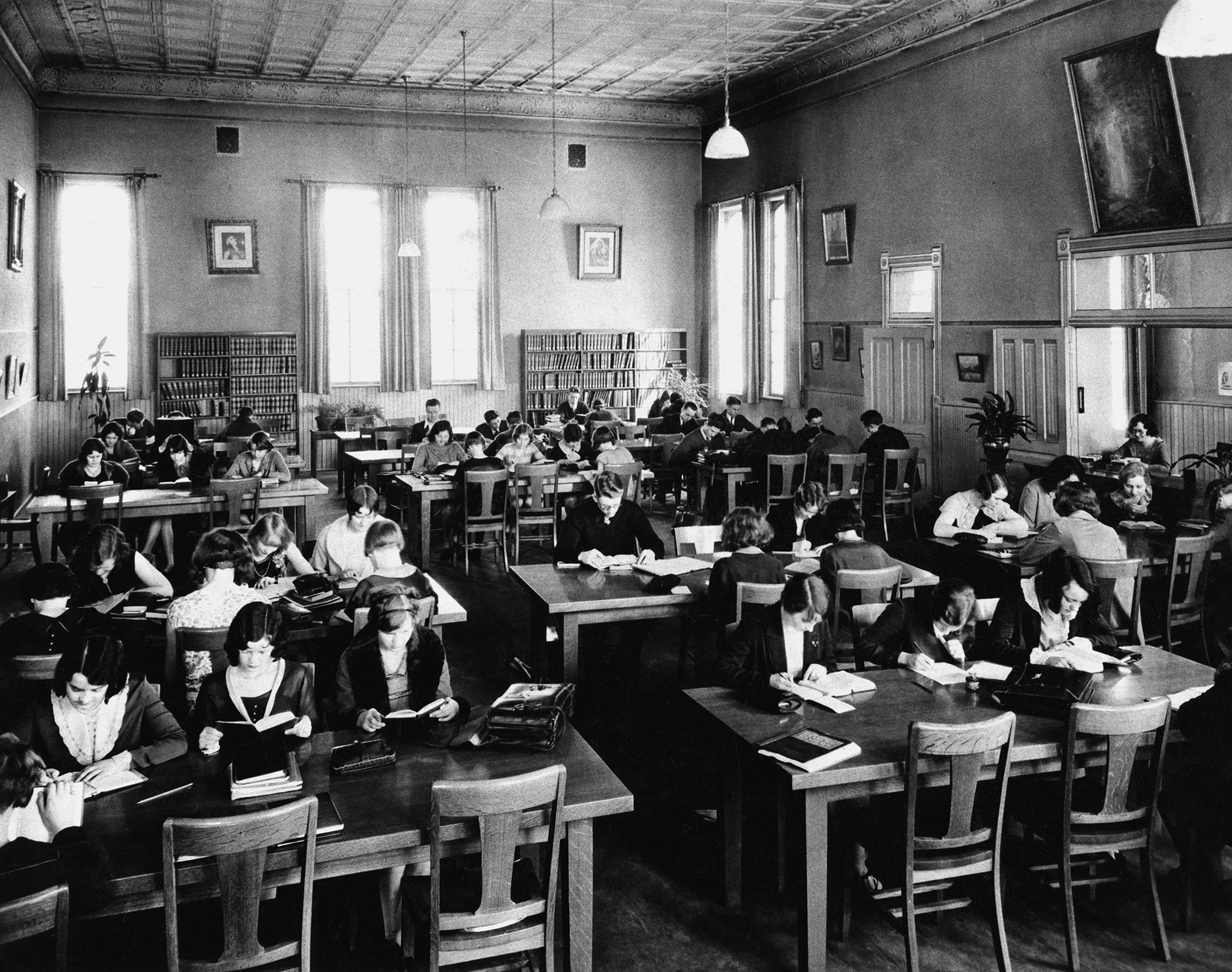
The Moench Building as it appeared in the early 1900s. The building was part of the Weber Stake Academy campus which, prior to becoming a state college in 1933, was a church school run by the Church of Jesus Christ of Latter-day Saints. If you look …

The Moench Building as it appeared in the early 1900s. The building was part of the Weber Stake Academy campus which, prior to becoming a state college in 1933, was a church school run by the Church of Jesus Christ of Latter-day Saints. If you look closely at this image of the Moench Building reading room you will notice a painting portraying an angelic figure visiting the young Joseph Smith. Images courtesy Weber State University Archives.

An exhibit featuring the short videos and the paintings they are based on will be on display during the Storytelling Festival on February 26 and 27 in the Hetzel-Hoellein Room of the Weber State University Stewart Library. 

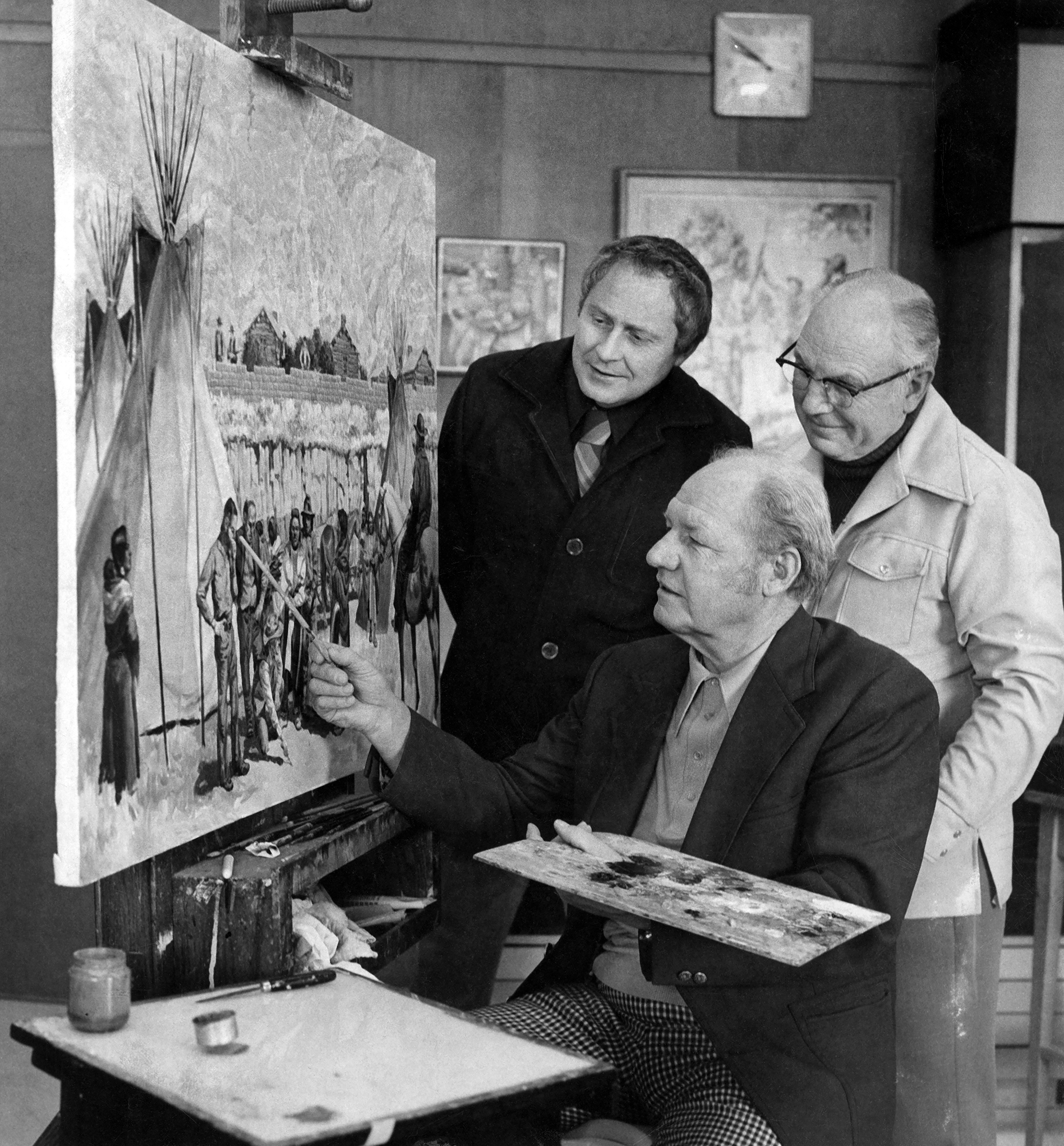
Artist Farrell Collett paints "Mount Fort." The completed image is below. Image courtesy Weber State University Archives.

Artist Farrell Collett paints "Mount Fort." The completed image is below. Image courtesy Weber State University Archives.

7Mound_Fort_1853.jpg
February 23, 2018 /Issac Goeckeritz

The Making of "Come Dream with Me"

February 02, 2018 by Issac Goeckeritz

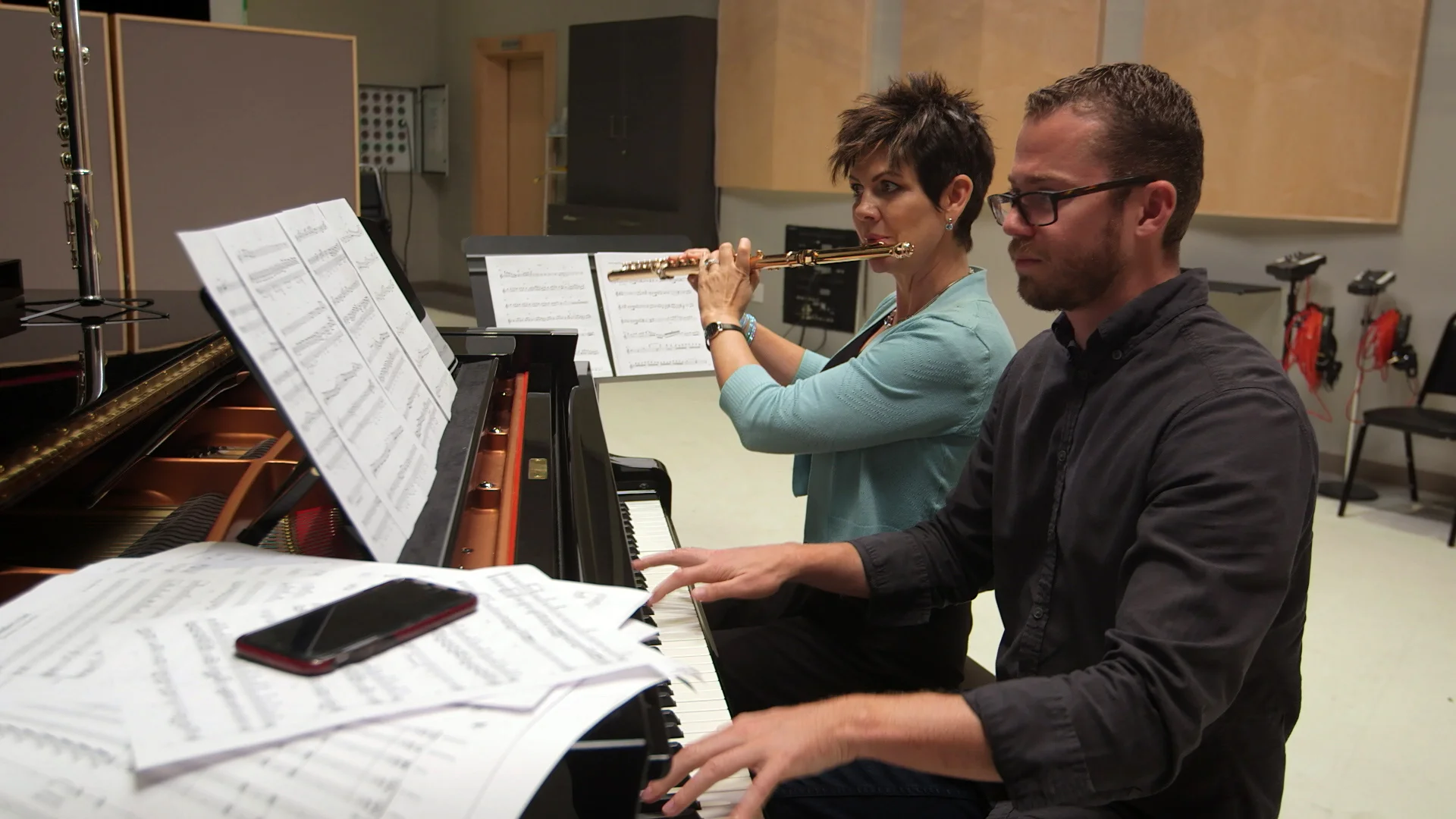
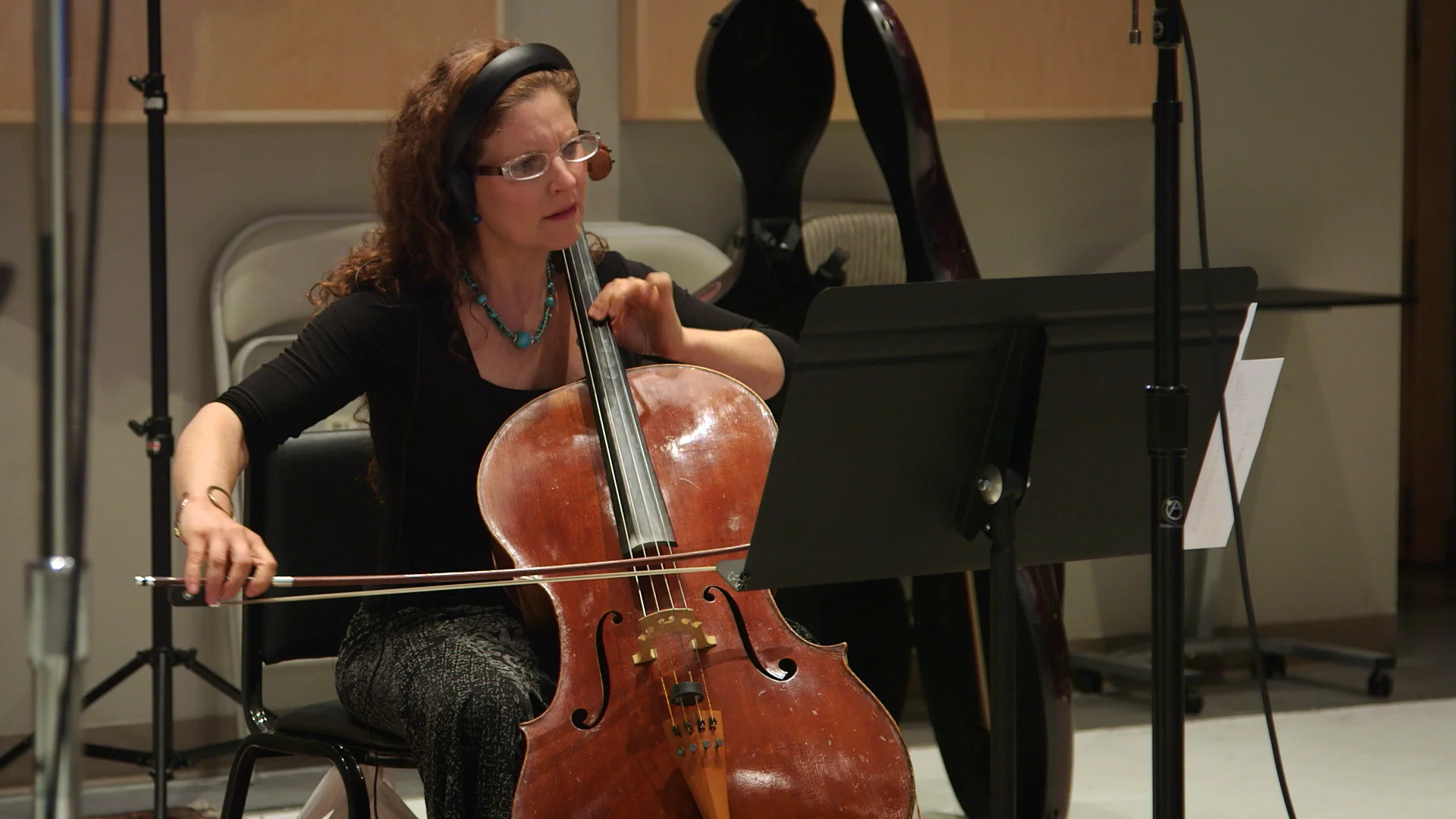
My mom, Jeannine Goeckeritz, recently recorded a solo flute album titled "Come Dream with Me." The music is classical crossover with arrangements and an original song from several composers. During the production of the album my mom asked me to create a few social media videos and shoot the photography for the album artwork. Here is a behind the scenes video I recently finished, plus a few raw video clips showing the rehearsals and recording at HUGEsound in Salt Lake City.

You can listen to and purchase the album on my mom's website www.jeanninegoeckeritz.com or on iTunes. 

Jeannine Goeckeritz and Stephen Nelson rehearse an arrangement of "Within."

Studio recording of "For the Love of the Princess" arranged by Stephen Nelson.

The Making of Come Dream with Me 1.00_02_19_03.Still003.jpg
The Making of Come Dream with Me 1.00_03_31_15.Still006.jpg
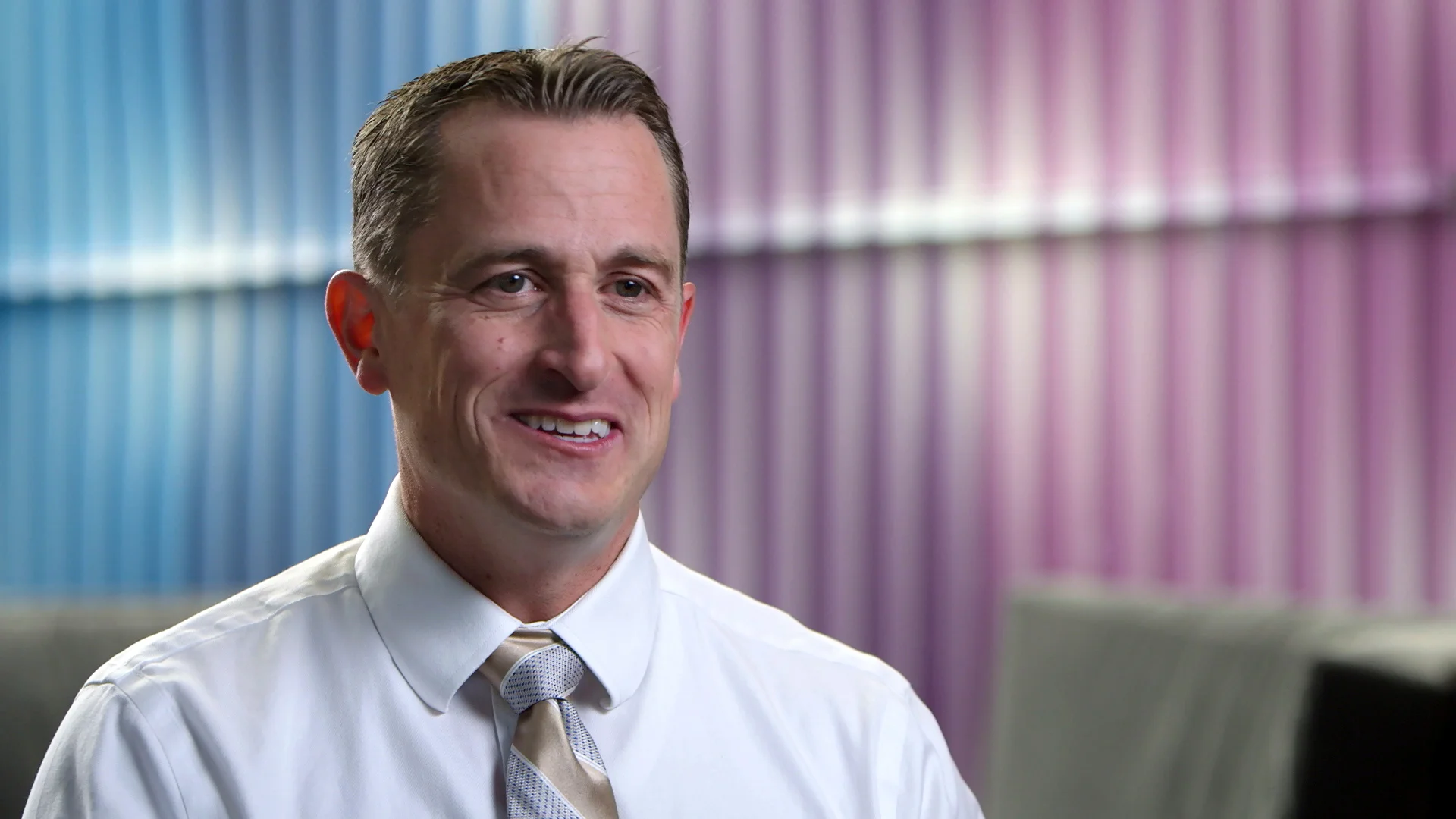
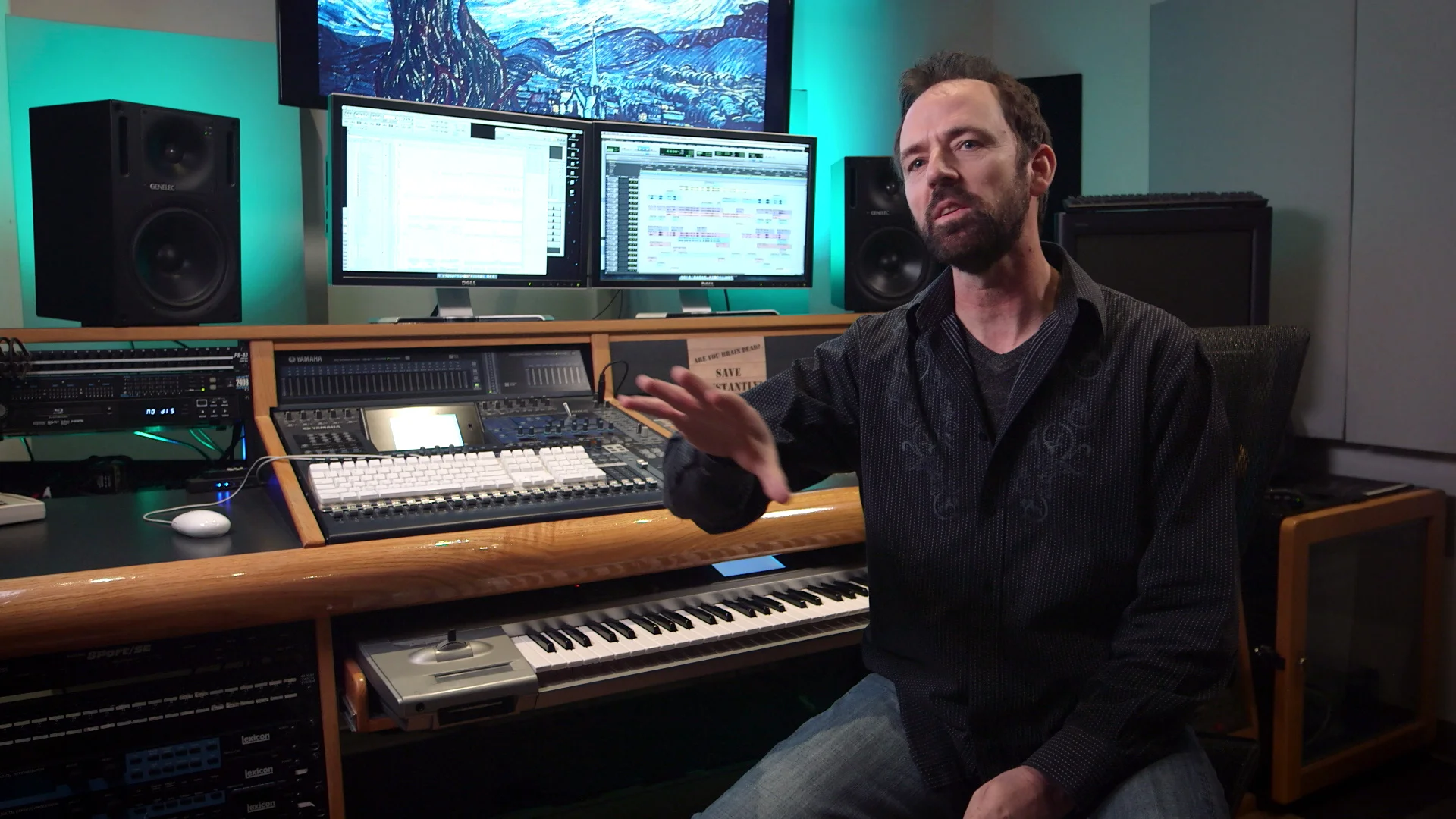
The album features arrangements from five composers: Ryan Murphy, Chance Thomas, Stephen Nelson, J. Scott Rakozy and Sam Cardon. I enjoyed being able to record interviews with each and learn about their music.

The album features arrangements from five composers: Ryan Murphy, Chance Thomas, Stephen Nelson, J. Scott Rakozy and Sam Cardon. I enjoyed being able to record interviews with each and learn about their music.

CHANCE THOMAS3.MOV.01_10_17_09.Still001.jpg
The Making of Come Dream with Me 1.00_02_06_20.Still002.jpg
February 02, 2018 /Issac Goeckeritz
  • Newer
  • Older

igoeckeritz@gmail.com  |   801.698.5784